
Mabrie Facial Institute
166 Geary Street
Floor 1300
San Francisco, CA 94108
Phone: (415) 445-9513
Text/SMS: (866) 618-9459
Monday–Friday 8 a.m.–5:30 p.m.
Signature Procedures: Say YES to Looking Refreshed and NO to Surgery.
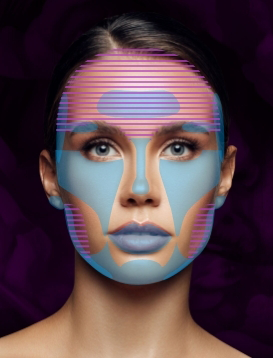
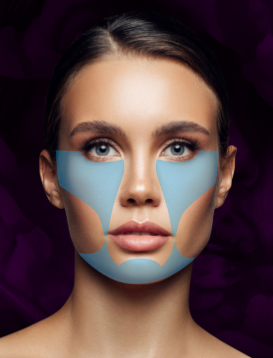
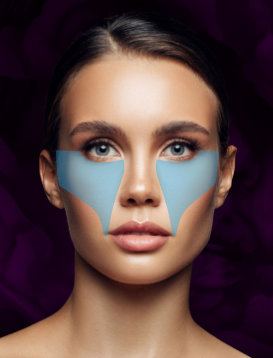
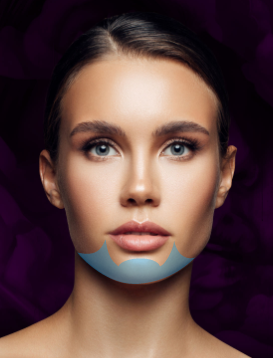
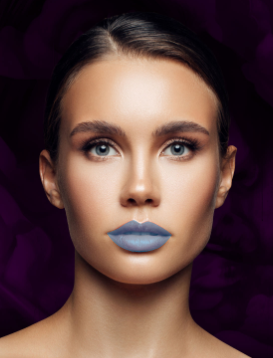
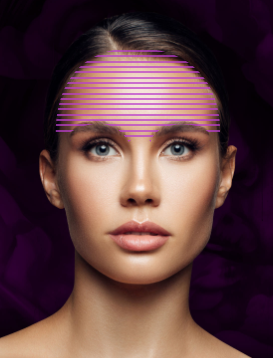
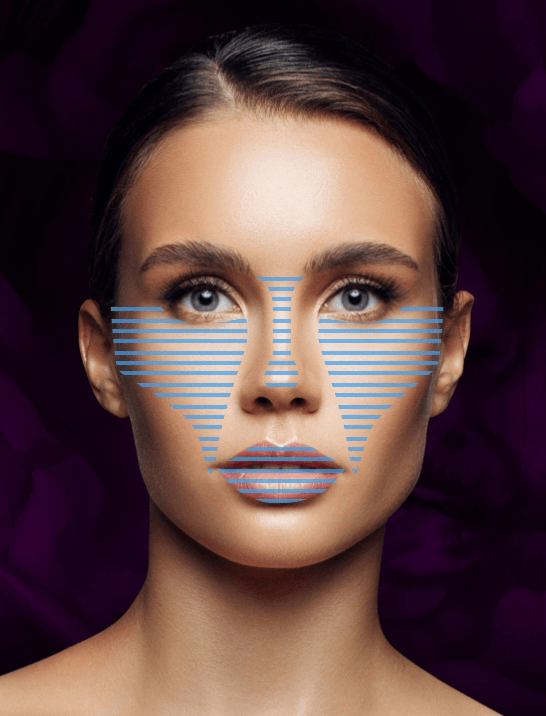
Rejuvenation Enhancers
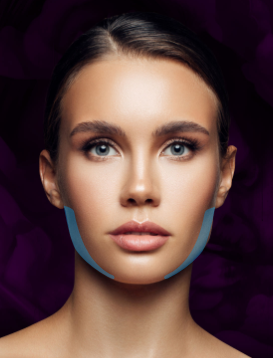
The Best Version of You
You may have noticed time taking its toll on your face even though you feel young, healthy, and vibrant. Fortunately, your non surgical options for facial rejuvenation have never been better. Mabrie Facial Institute has become a destination in the San Francisco Bay Area for facial rejuvenation with fillers and BOTOX. We can improve those annoying jowls, hollows, under-eye bags, or lines around your mouth and chin—all without surgery with our unique Illumination 360° approach.
The Illumination 360° Approach—Only at Mabrie Facial Institute
As you age, bone resorption and fat loss change the contours of your face, and at the same time skin loses elasticity and begins to sag. This creates irregular surfaces, shadows, wrinkles, and lines, all of which contribute to a tired, aged appearance.
For more than 15 years, Mabrie Facial Institute has been dedicated entirely to rejuvenating and contouring the face with fillers and neurotoxins like BOTOX. Illumination 360° is the product of all that intensive study and experience. We understand how the face ages, and we have mastered the art and science of correcting those changes.
We scrutinize your pattern of aging and the way light interacts with your features, and we develop a treatment plan that will have you looking your best, from any angle, in any light. Non surgical rejuvenation means no incisions, no downtime, and greater flexibility and opportunity for customization than surgery. Our “surgical” approach to injectables means meticulous planning, careful and comfortable procedures, exceptional safety, and remarkable results.
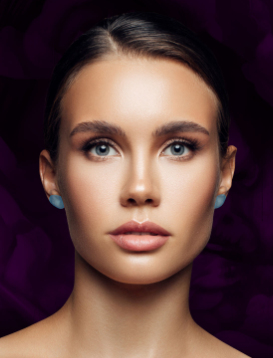
The highly trained team at Mabrie Facial Institute combines dermal fillers and neuromodulators to restore a more youthful look that is more than skin deep. For our facial rejuvenation patients, this often means:
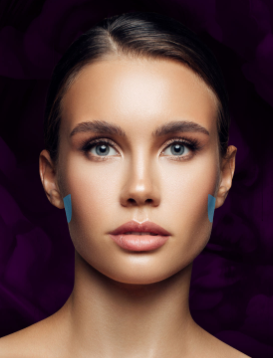
- Firming up the jaw line
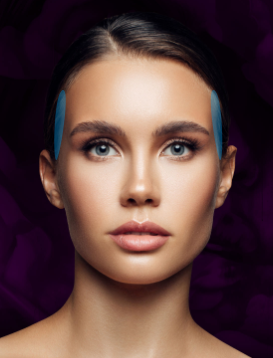
- Restoring volume and adding lift to the midface
- Smoothing under-eye hollows and bags
- Filling deep lines around the chin and mouth
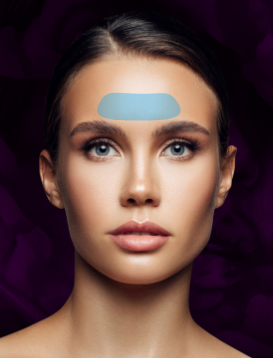
- Softening wrinkles around the forehead
Our experts will work with you to design the procedure and select the products that are ideally suited to your needs.
The MFI Advantage
MFI focuses exclusively on injectables, and has set the bar in the art and science of fillers for more than 15 years. Dr. Mabrie, trained as a facial plastic surgeon, has dedicated thousands of hours to carefully selecting and training our talented Injectors in the most innovative, effective, and safe techniques for injectables. There is no other practice in the Bay Area with the level of experience, education, and passion for injectables you'll find at MFI.
Schedule MeIt Takes Two
Unlike some providers, Mabrie Facial Institute stages facial rejuvenation across 2 (or more) appointments: your initial procedure, and a refinement procedure scheduled 1 to 3 months later. After that, you will want to schedule maintenance treatments in 6 to 12 months as your results begin to fade.
Too much filler will spread out instead of holding the shape we are trying to create. The refinement appointment allows us to stack or layer the filler, giving you the lift and volume that helps you look refreshed and more radiant. At the second appointment, we can also make any refinements needed after the initial swelling has subsided. The cost of your rejuvenation package includes the fillers estimated for use at your refinement visit. Should you require more than this, additional syringes will be priced at a discount.
I'm a Top 25 Most Loved Injector

Out of 2,000 nominees in the U.S., Dr. Mabrie was voted one of the Top 25 Most Loved Injectors for 2017 by the RealSelf community. Thanks to all our amazing patients for making him the only injector in the Bay Area to receive this honor.
We’d Love To See You
If you are interested in learning more about non surgical facial rejuvenation, request a consultation online with one of the specialists at Mabrie Facial Institute, or call us at (415) 445-9513 to schedule your initial appointment. If you’ll be visiting us from outside the area, our Fly in for Your Procedure page was created just for you to help make planning your trip as smooth as possible.