Your Top Non Surgical Nose Job Questions, Answered
February 1, 2024
While non surgical rhinoplasty is popular all around the world, few providers have more experience with…
Read Post
Mabrie Facial Institute
166 Geary Street
Floor 1300
San Francisco, CA 94108
Phone: (415) 445-9513
Text/SMS: (866) 618-9459
Monday–Friday 8 a.m.–5:30 p.m.
Expert Non-Surgical Rhinoplasty for Beautiful, Natural Results
At Mabrie Facial Institute, non-surgical rhinoplasty is an art of structural refinement — not just adding filler, but sculpting the nose with precision and design.
Through our signature Architectural Contouring™ approach, we treat the nose the way an architect treats a structure: carefully analyzing form, proportion, and how light interacts with shape. Using strategic filler placement, we refine nasal contours, balance facial proportions, and enhance overall harmony — all without surgery or significant downtime. For those seeking a more comprehensive transformation, i360 Full Face integrates non surgical rhinoplasty into a complete facial enhancement plan, ensuring the nose is refined in perfect harmony with every feature.


Keep in mind that each patient is unique and your results may vary.
Filler can be used to create subtle but powerful structural changes in several areas of the nose:
True refinement comes from viewing the nose holistically — considering how each area flows into the next, from all angles.
This perspective is consistent with our broader Illumination 360°TM philosophy: an approach that sees beauty not as isolated features, but as a harmonious interaction of structure, light, and balance across the entire face.
Nasal Bridge Enhancement with Filler
Strategic filler placement along the nasal bridge can address a variety of aesthetic concerns, creating a more refined and balanced profile. Depending on each patient’s unique anatomy and goals, bridge filler may be used to:
Through precise architectural contouring, we tailor each treatment to enhance the nose’s structure while maintaining a natural, authentic appearance.

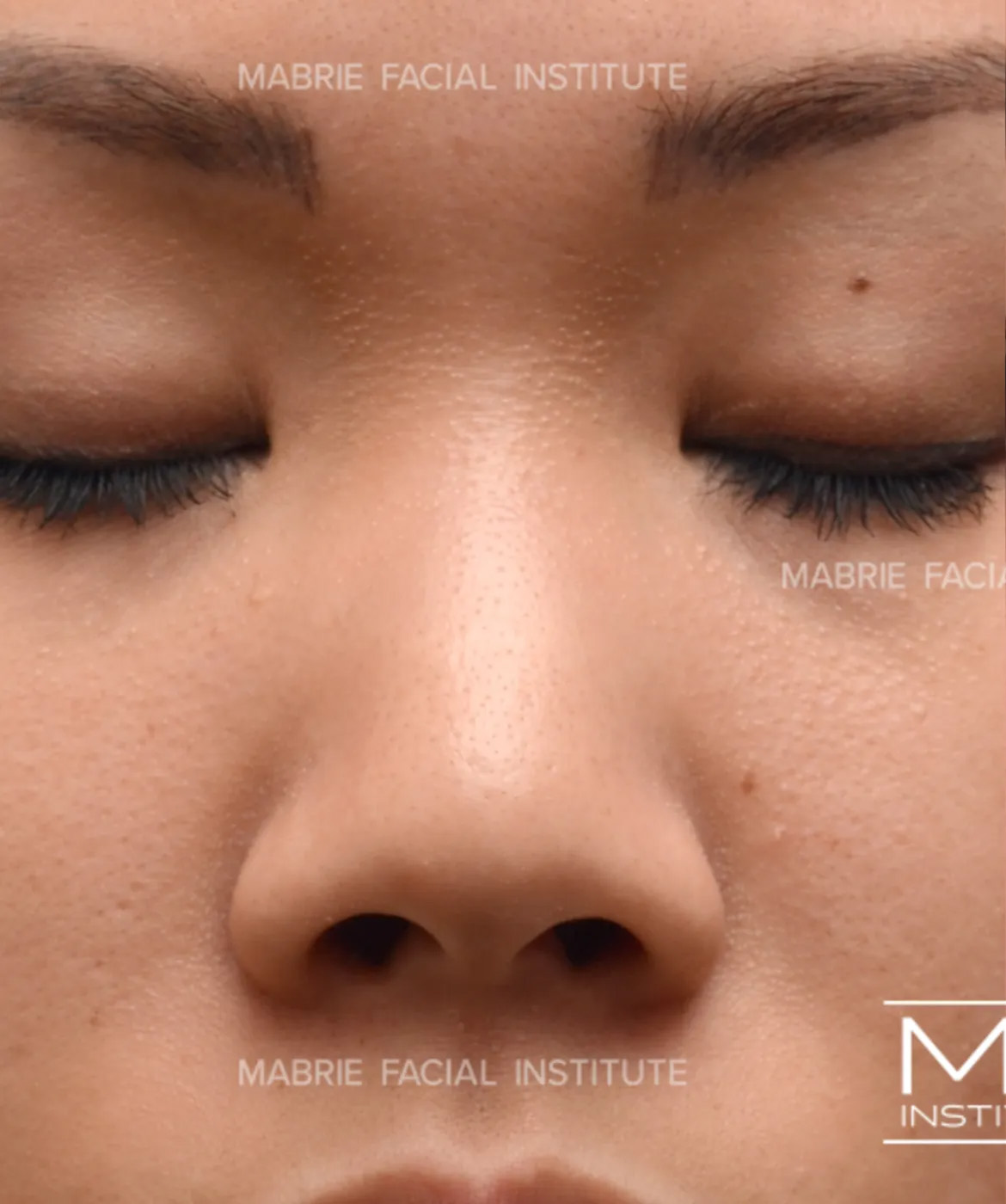
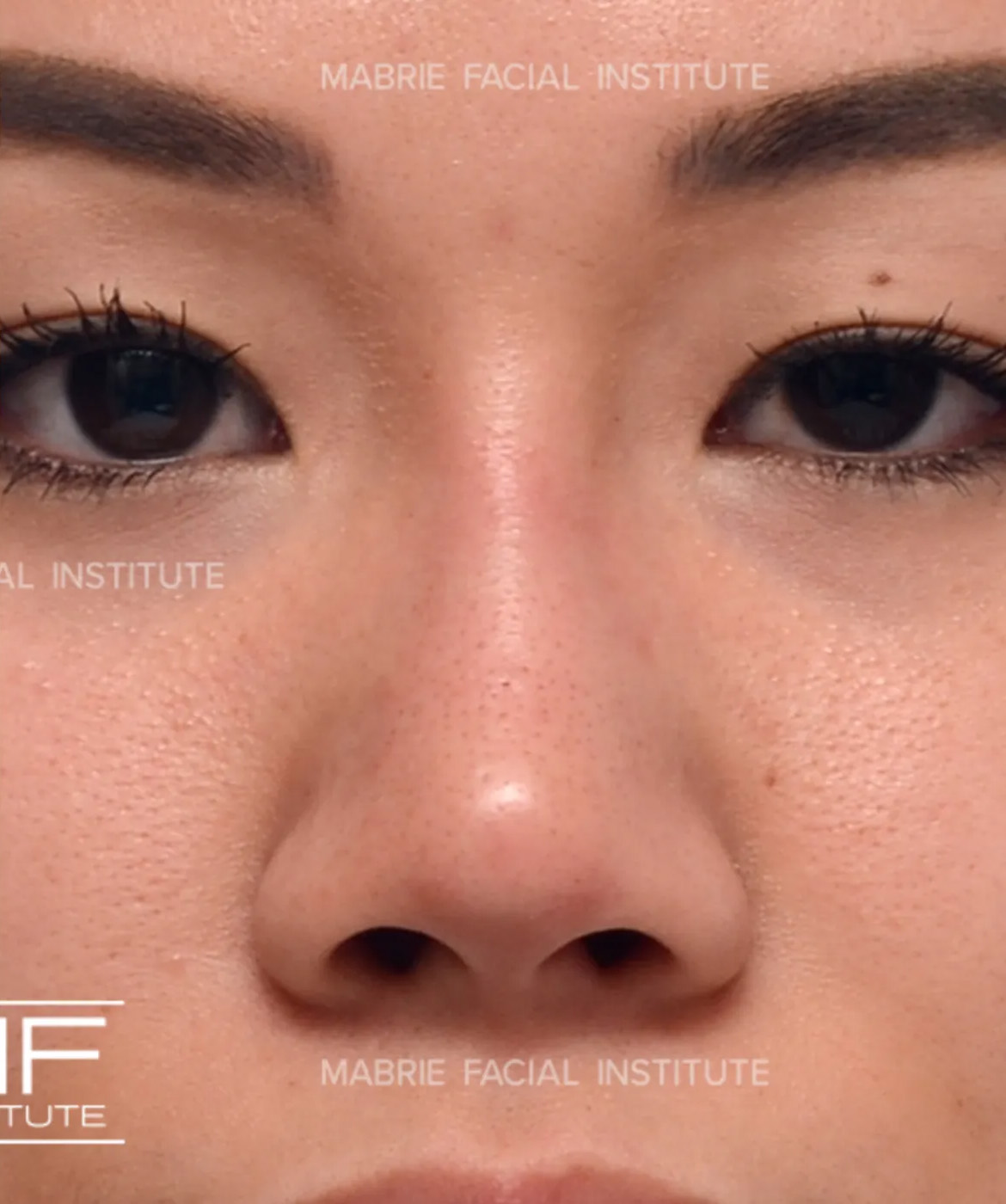
Some patients lack projection or definition and need their nasal dorsum/nasal bridge augmented. By building up the bridge and making it more angular, we can also make a wide nose look thinner.
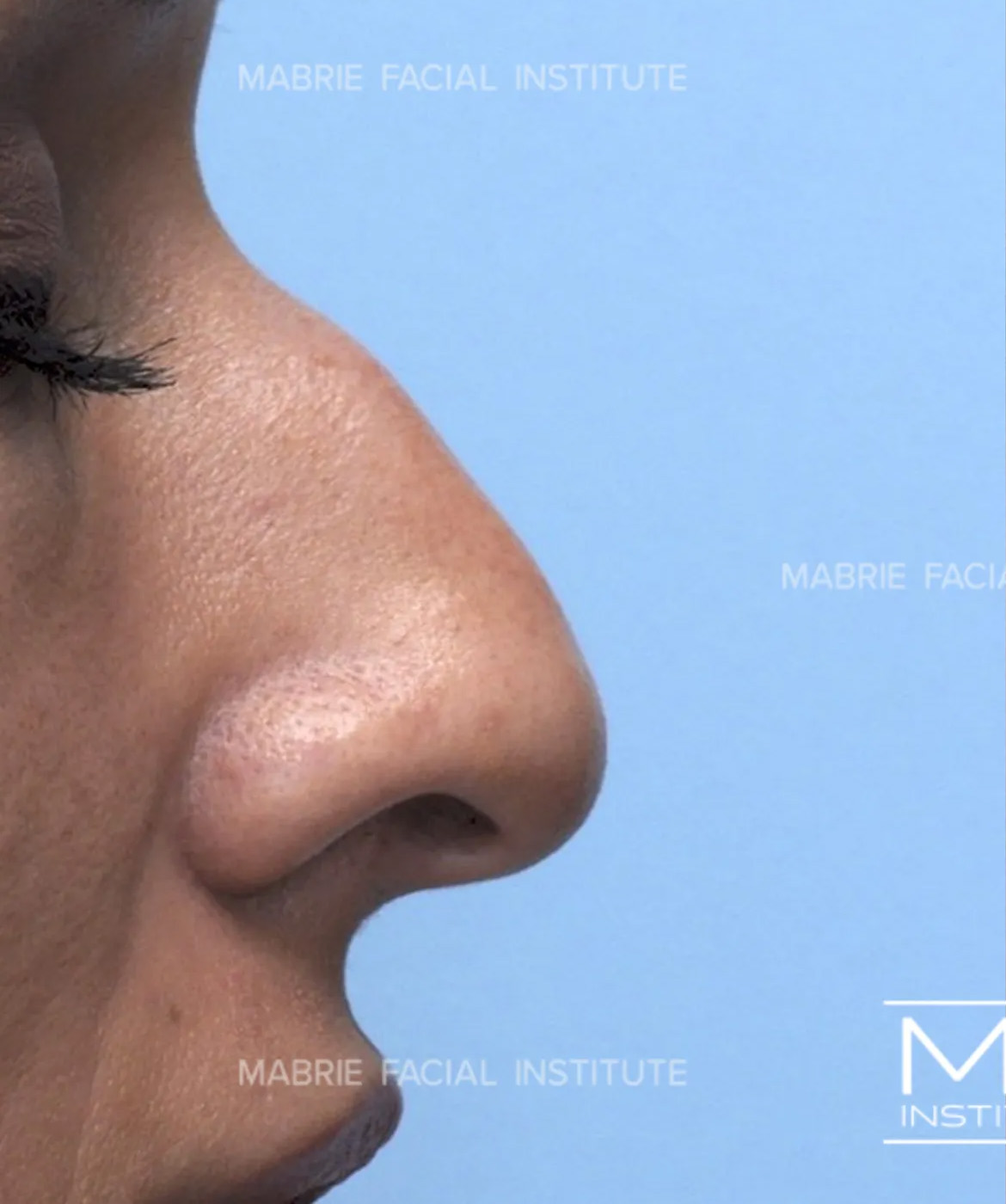
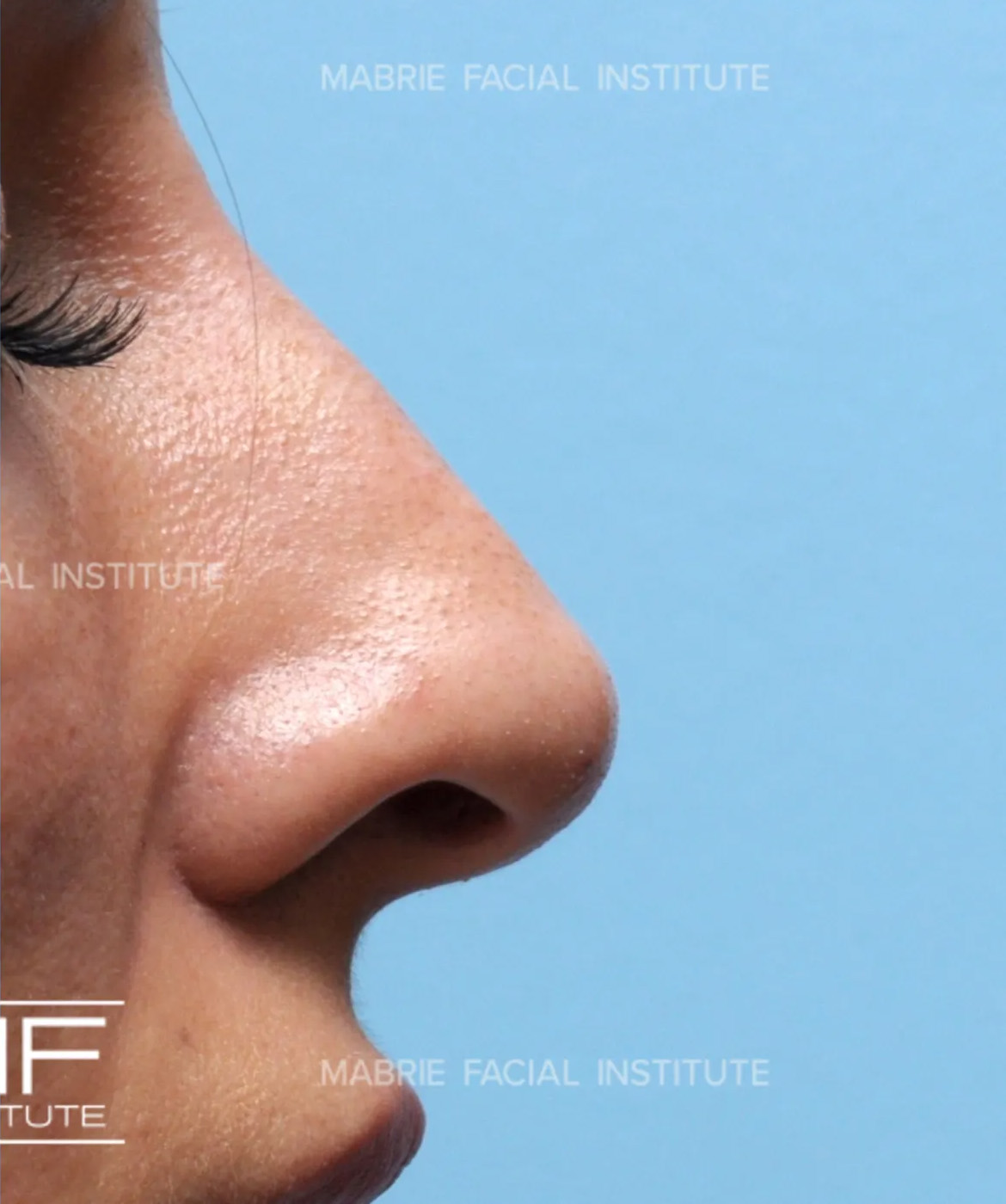
A bump or hump on the bridge of the nose can distort the profile and make the nose overly prominent. Streamlining the nasal bridge is a component of many of the non surgical rhinoplasties Dr. Mabrie performs.
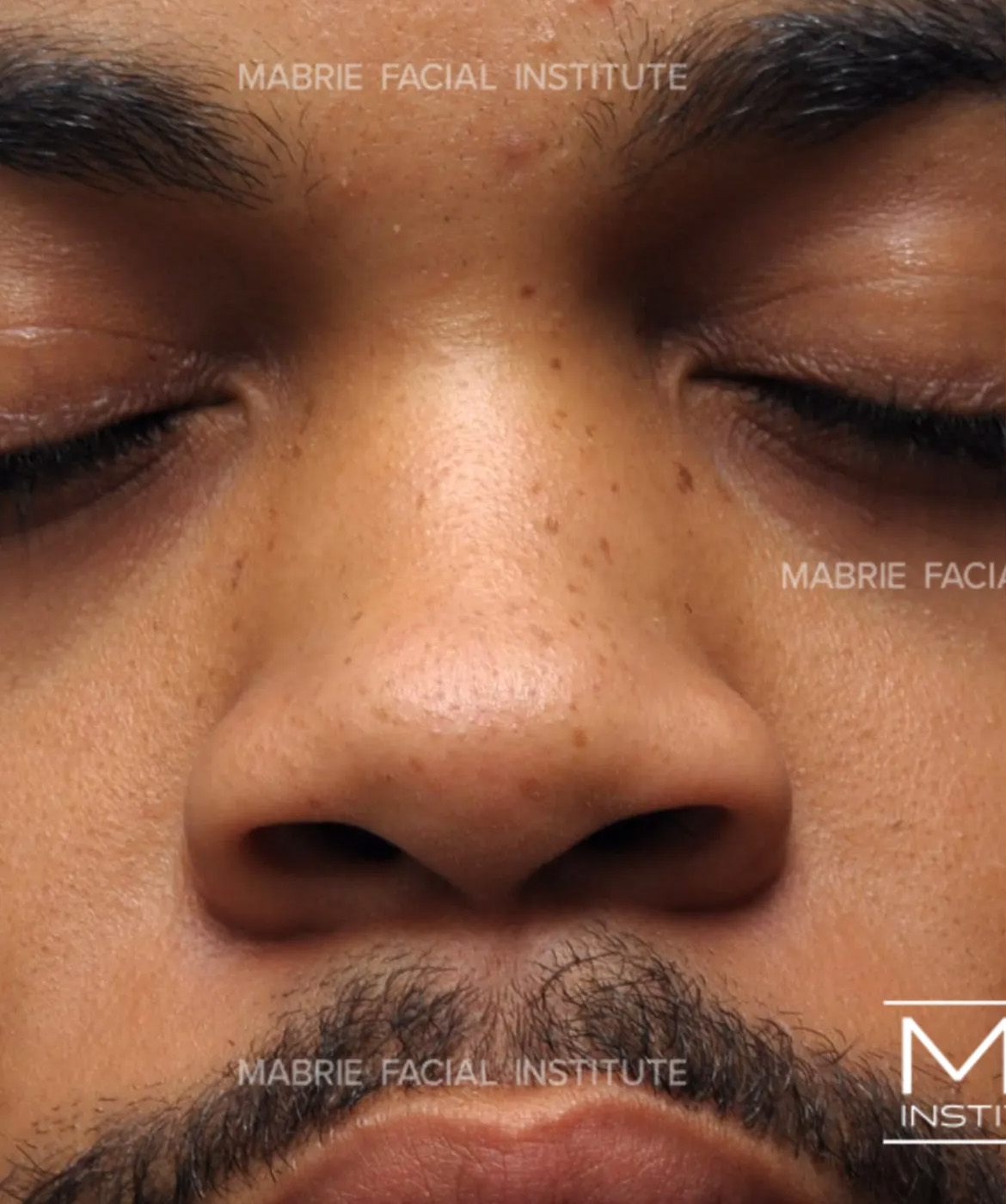
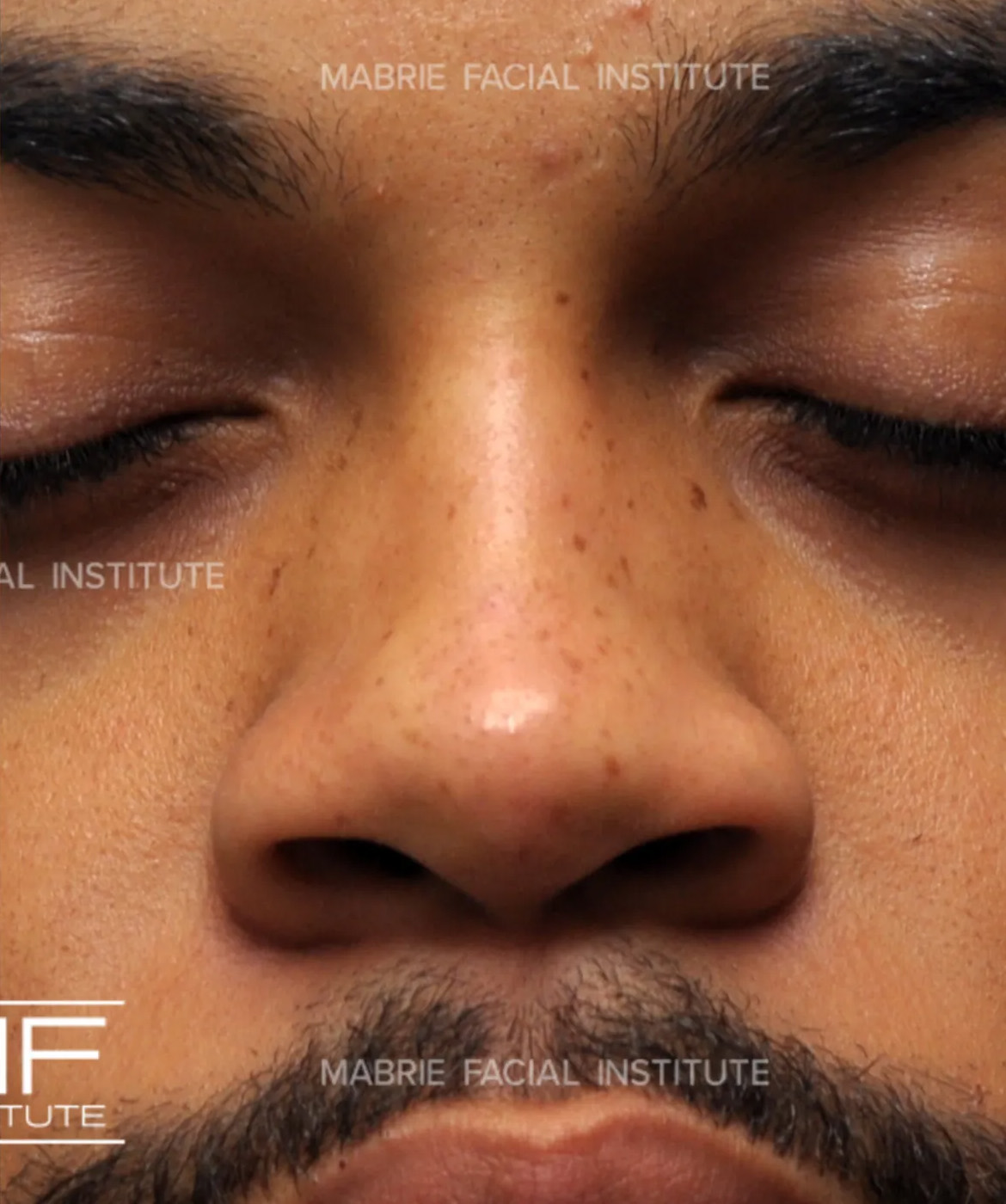
When the bridge of the nose looks broad and sometimes flat, we can build with filler to create a defined, narrower appearance. This is a good example of using filler to make a wide nose look thinner.
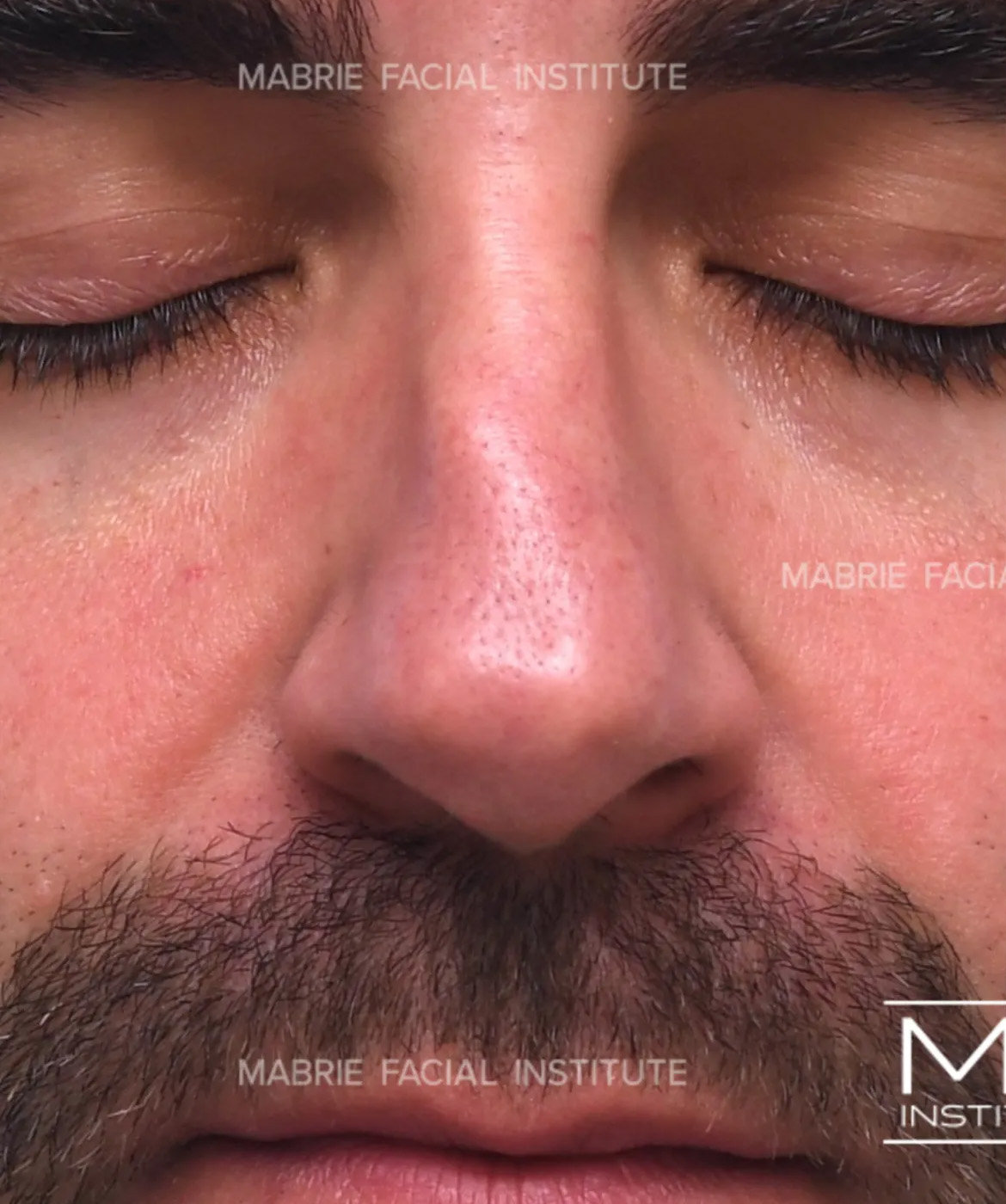
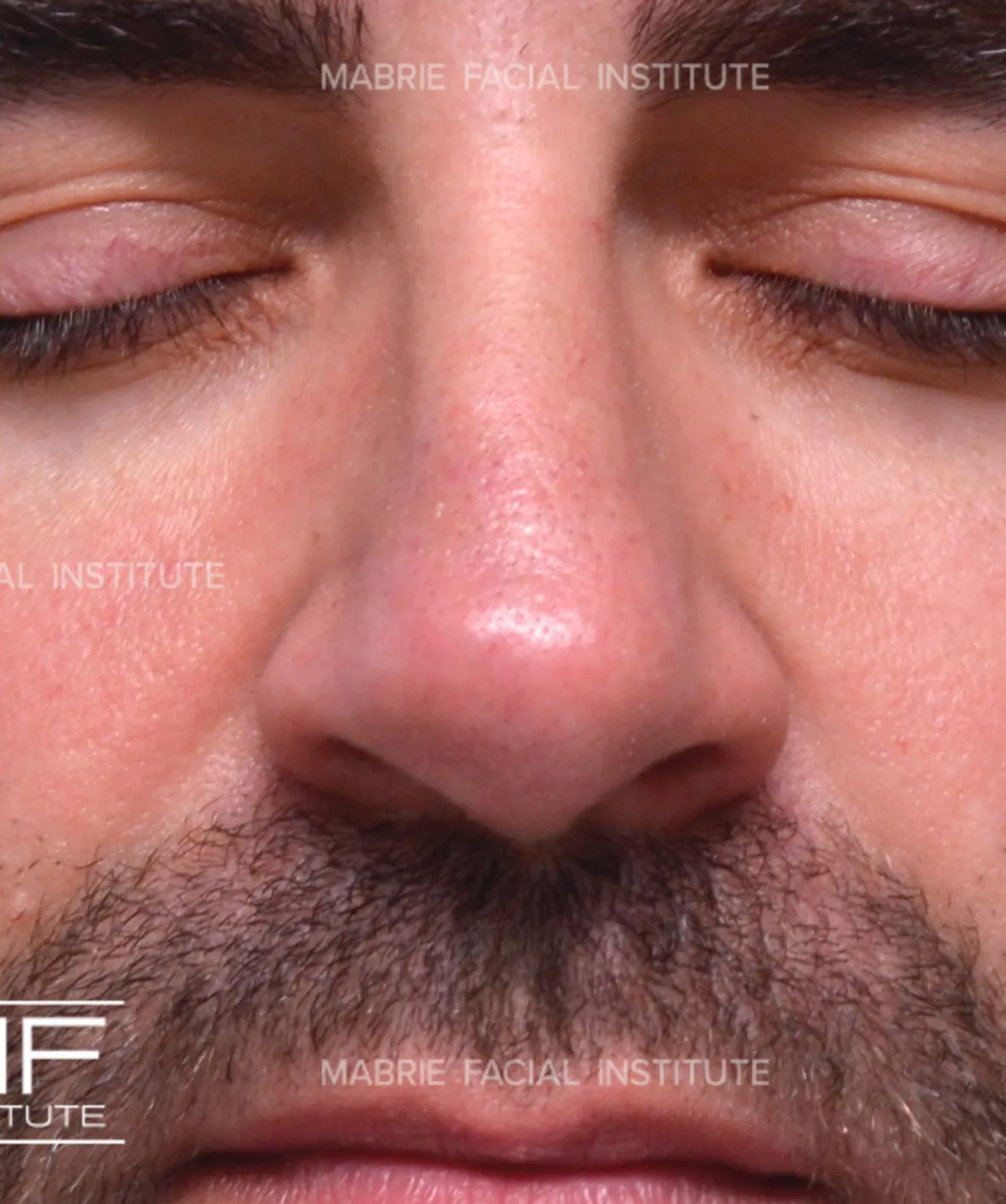
A crooked bridge can be visually "straightened" by balancing the lines with the strategic application of filler.
Tip Refinement & Definition with Filler
Through precise structural enhancement, filler can be used to refine the nasal tip’s shape, improve symmetry, and subtly rotate the tip for a more balanced, sculpted appearance.
Depending on the patient’s anatomy and goals, tip filler may be used to:
Every refinement is customized to the patient’s unique anatomy, using filler as a sculptural tool to enhance structure, not simply to add volume.
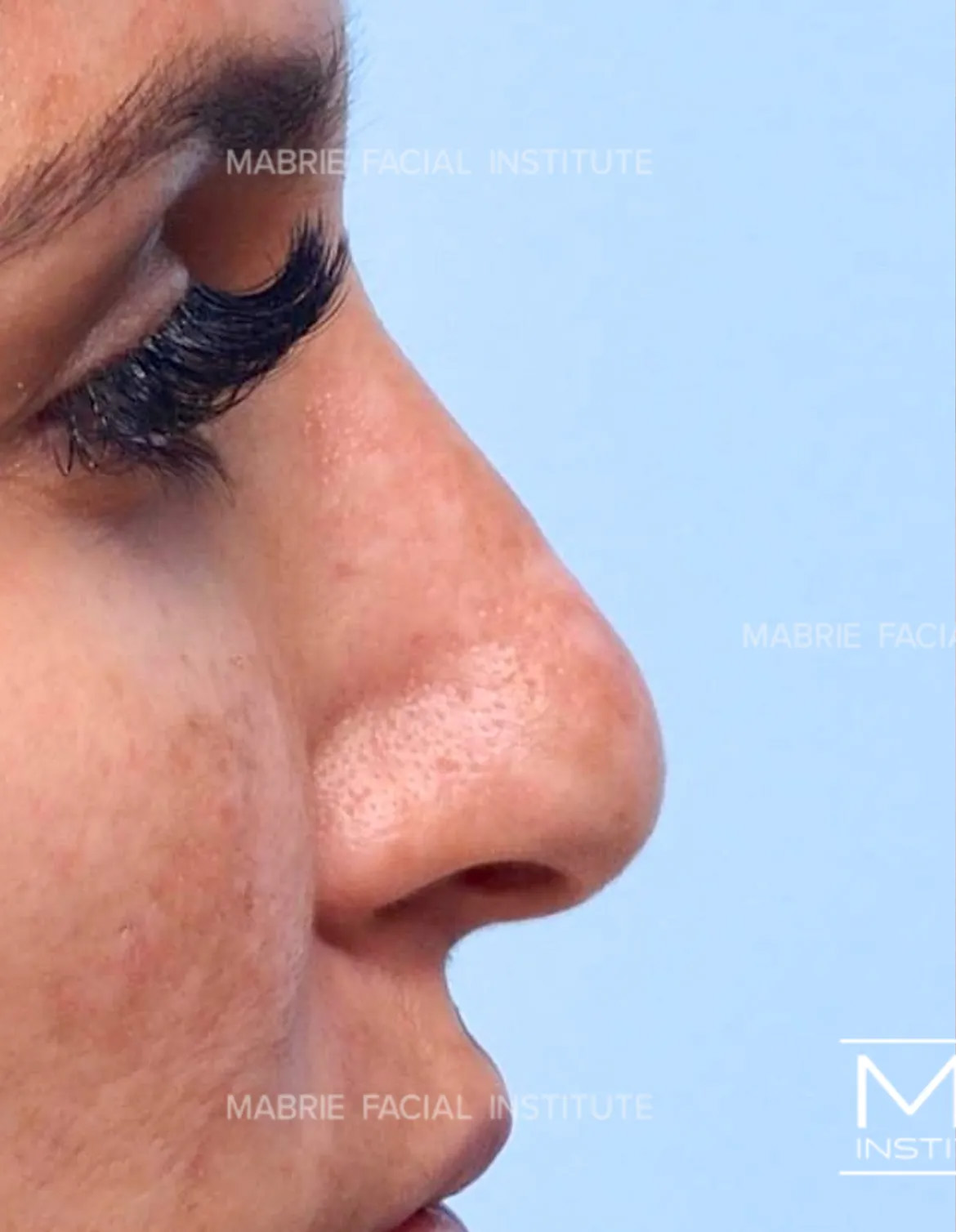
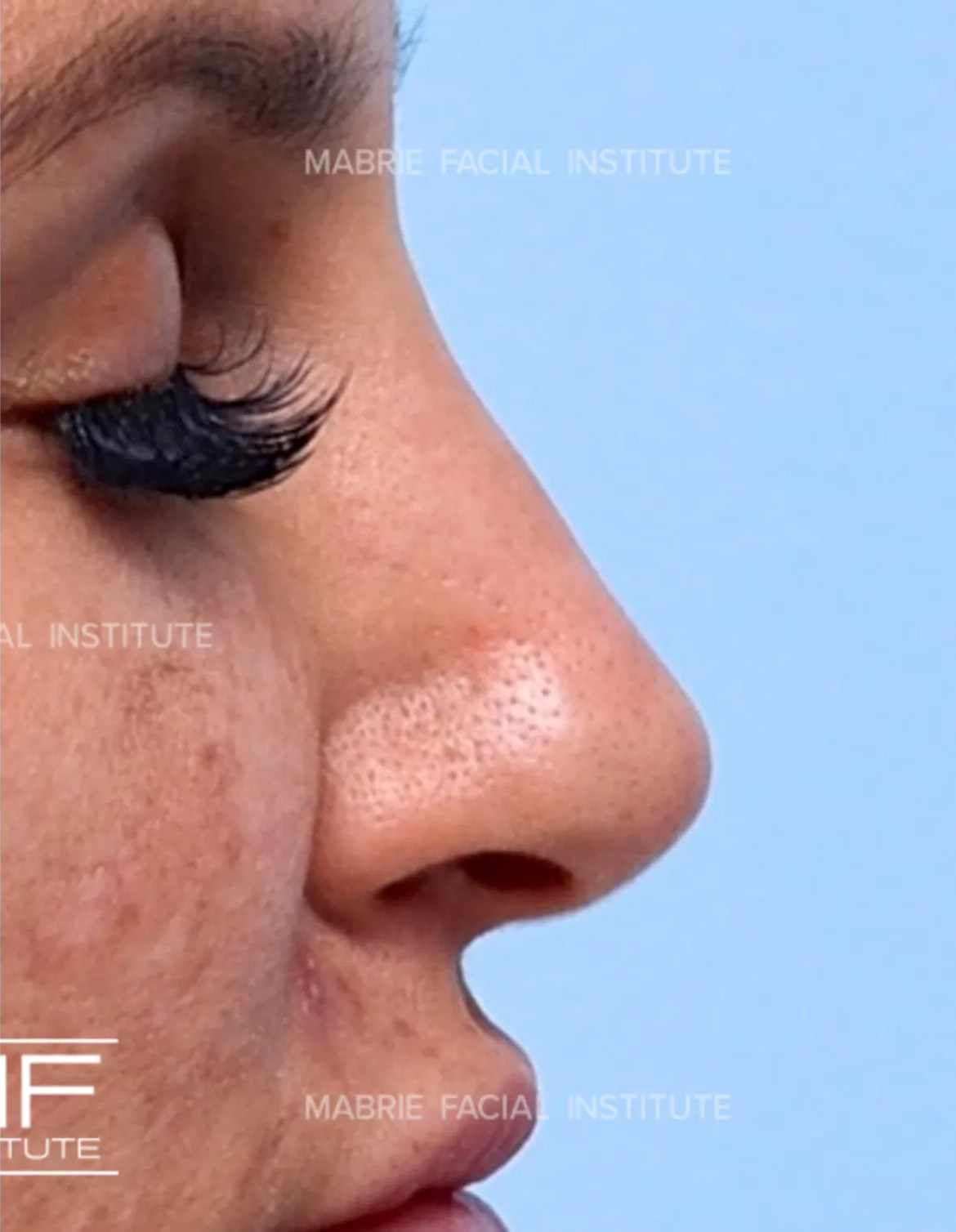
Fillers may be used to make a "bulbous nasal tip" look more defined and smaller.
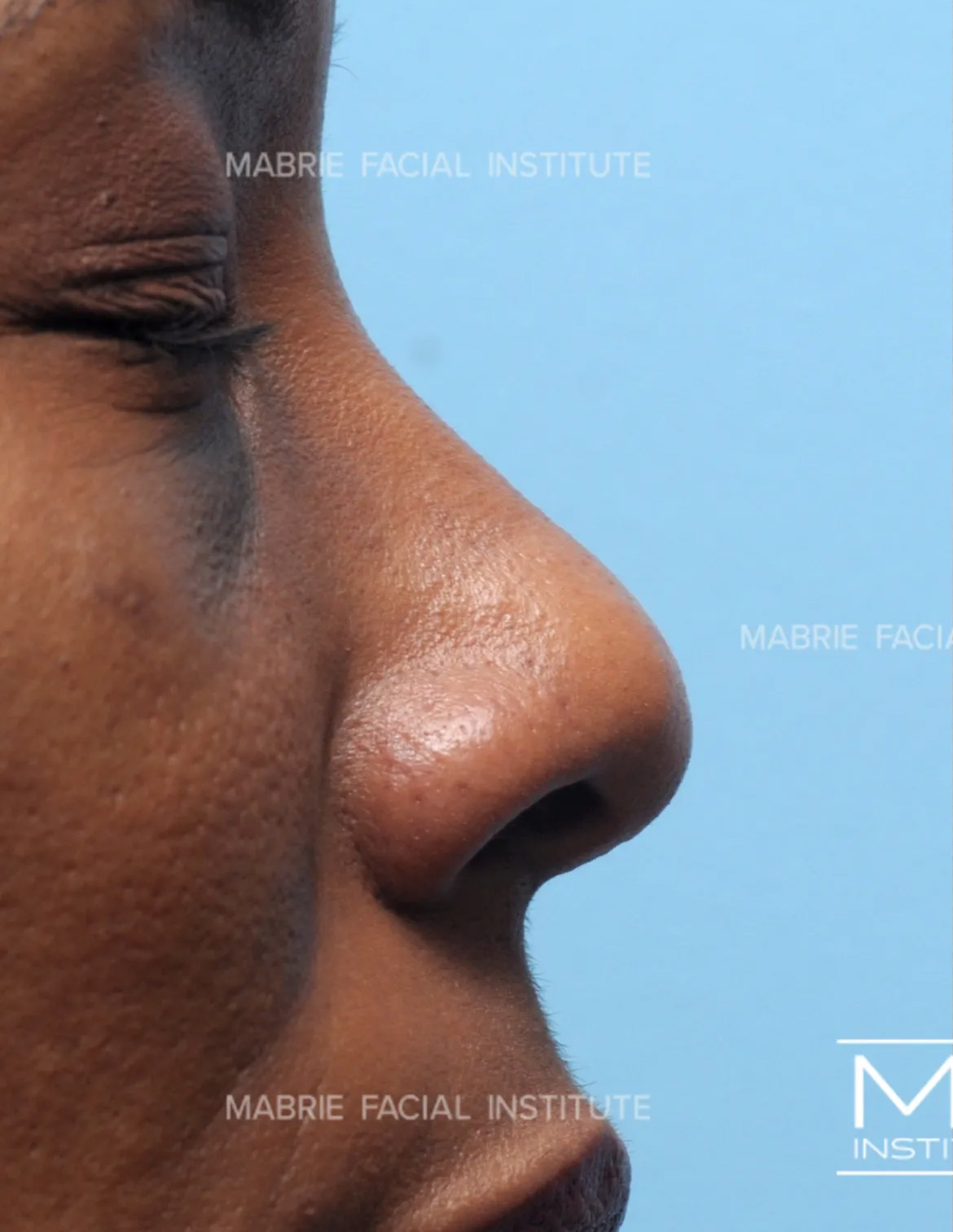
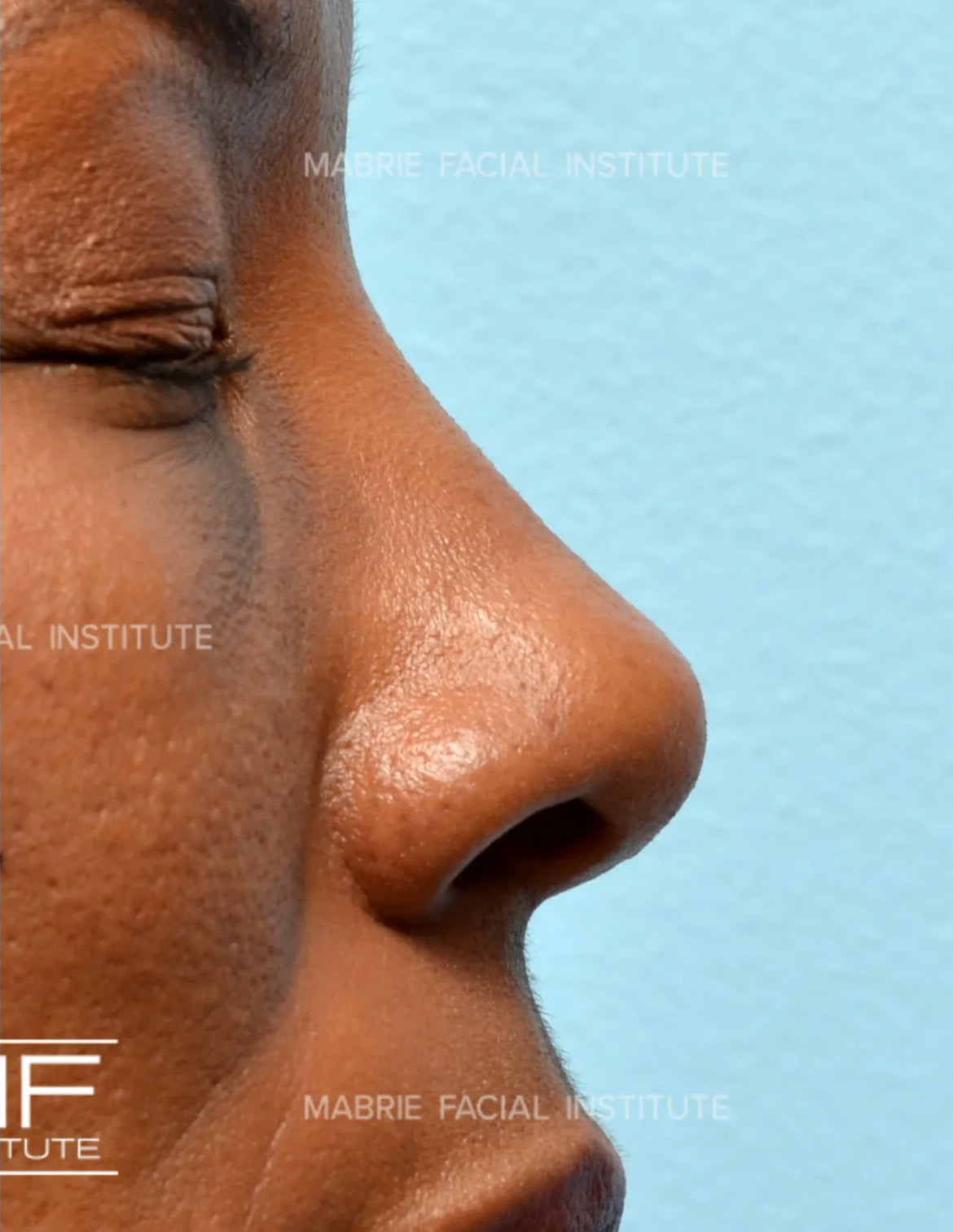
The skillful placement of filler reshaped this woman's drooping nasal tip for a more aesthetically pleasing profile.
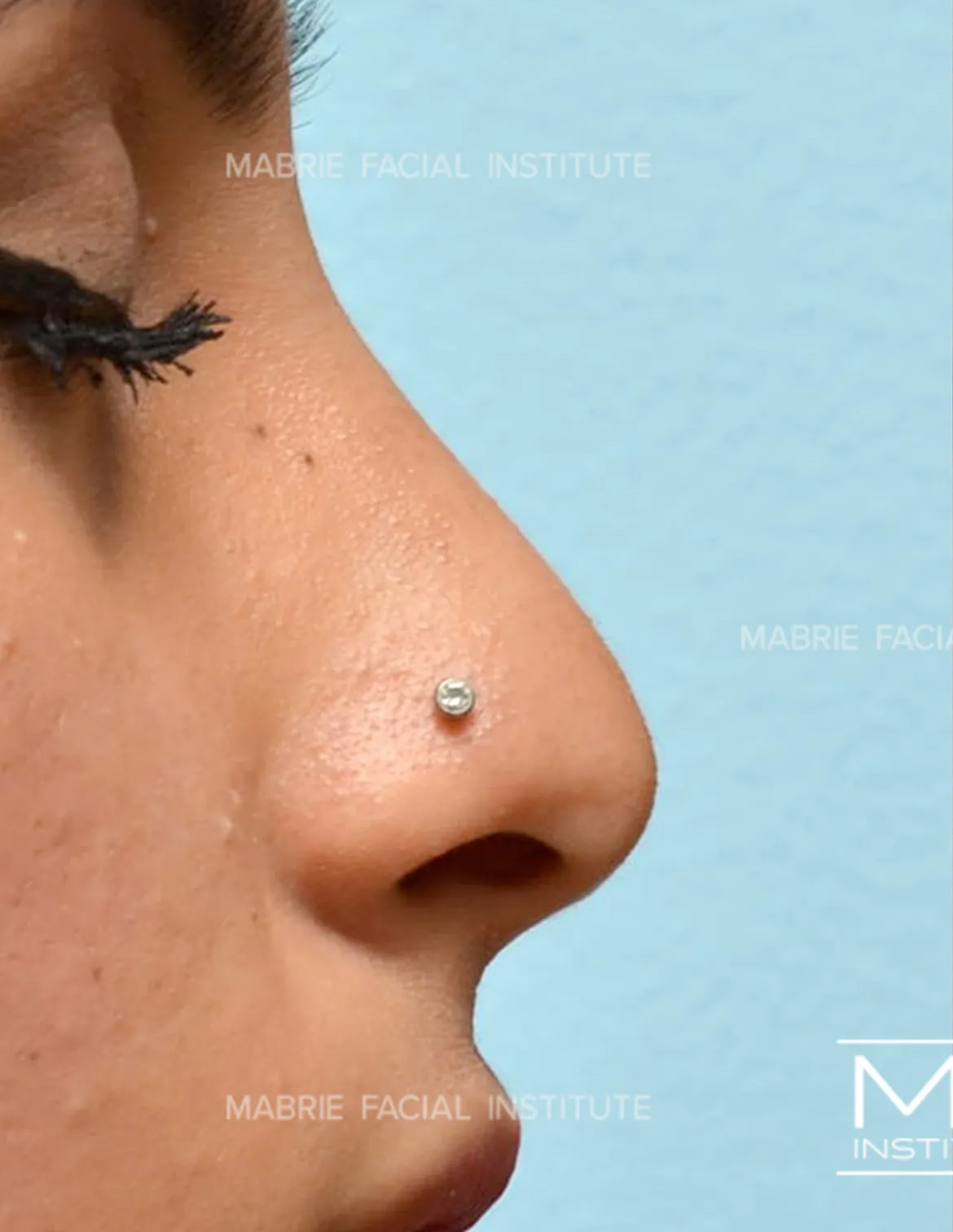
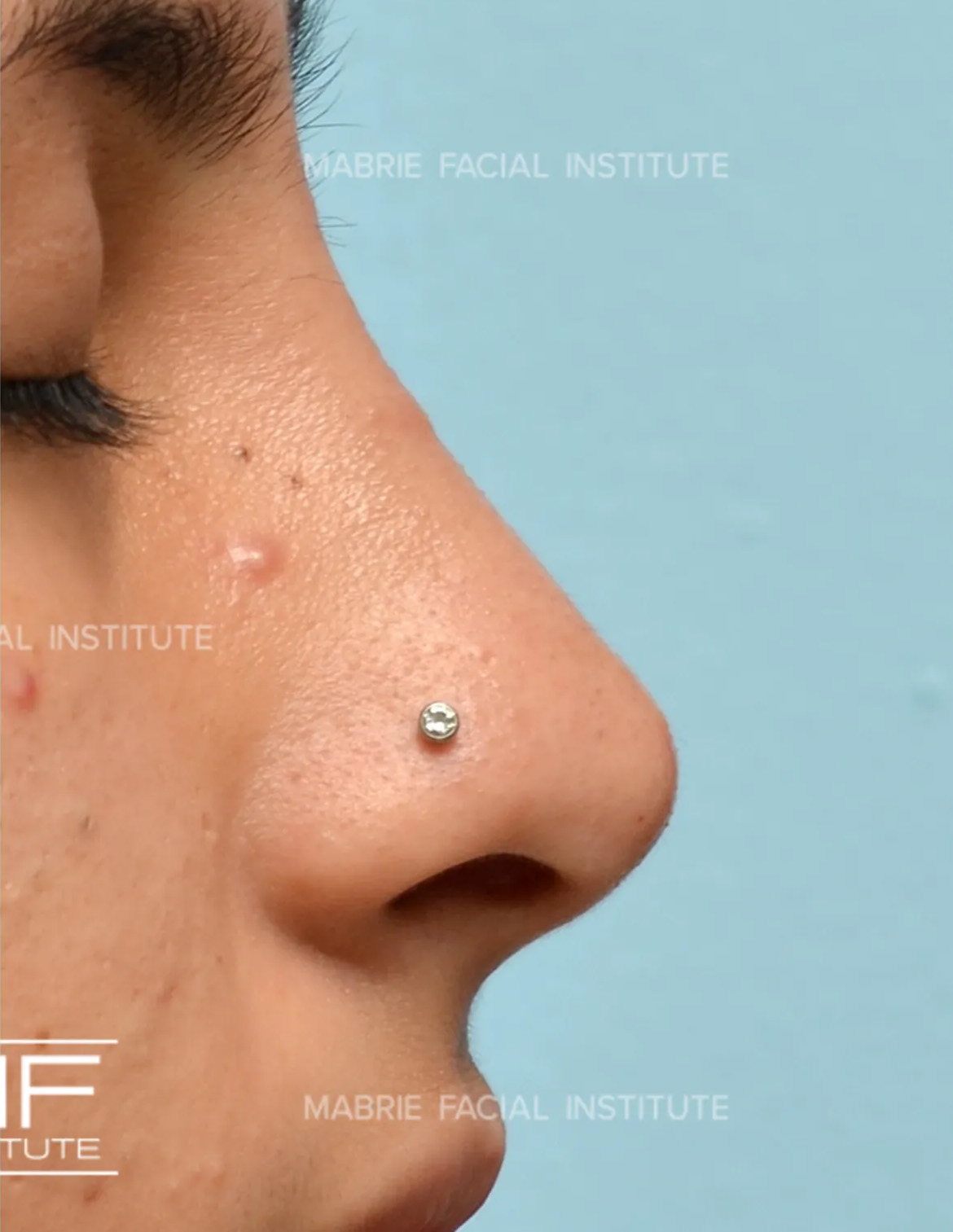
For patients with a drooping tip, well-placed injections can increase rotation and create an upward lift.
Columella and Nostril Rim Refinement with Filler
Subtle enhancements to the nasal base can create powerful improvements in nasal symmetry, support, and contour. Using precision filler placement, we address two common structural concerns:
Every treatment is carefully customized to maintain a natural appearance, ensuring that the nose remains expressive and authentic to the patient’s features.
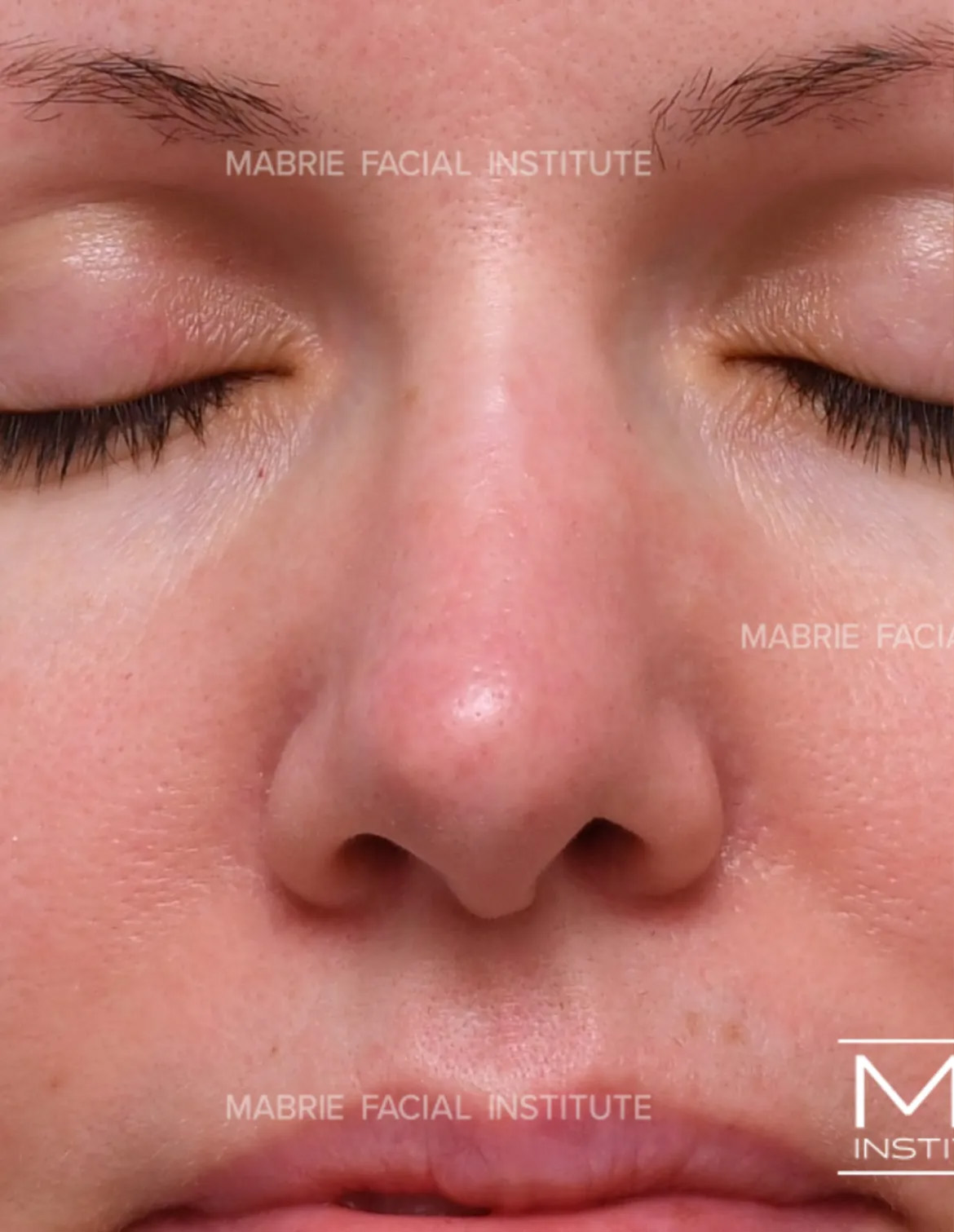
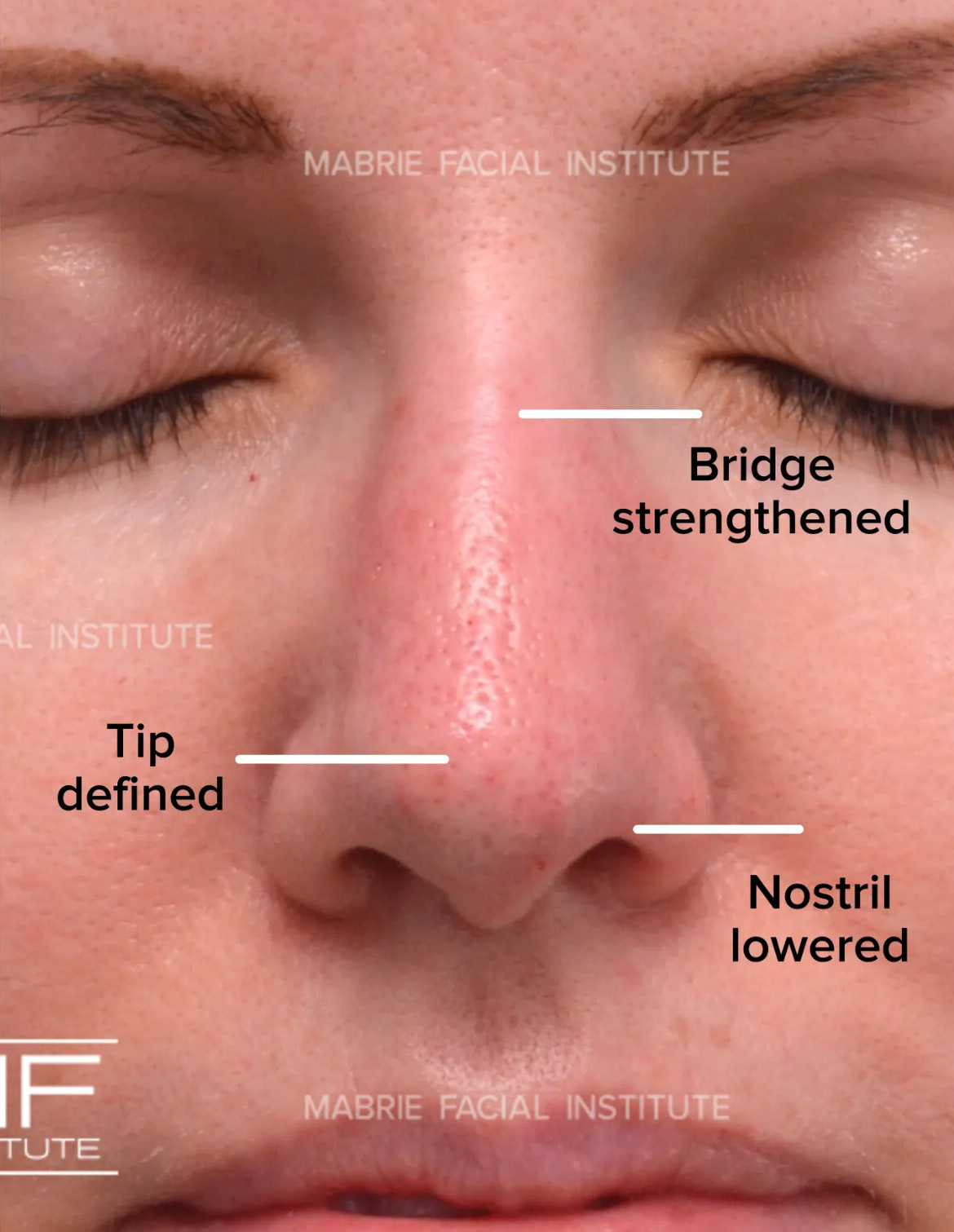
Through the skillful application of filler, Dr. Mabrie was able to strengthen this woman’s bridge, define her nasal tip, and lower the nostrils.
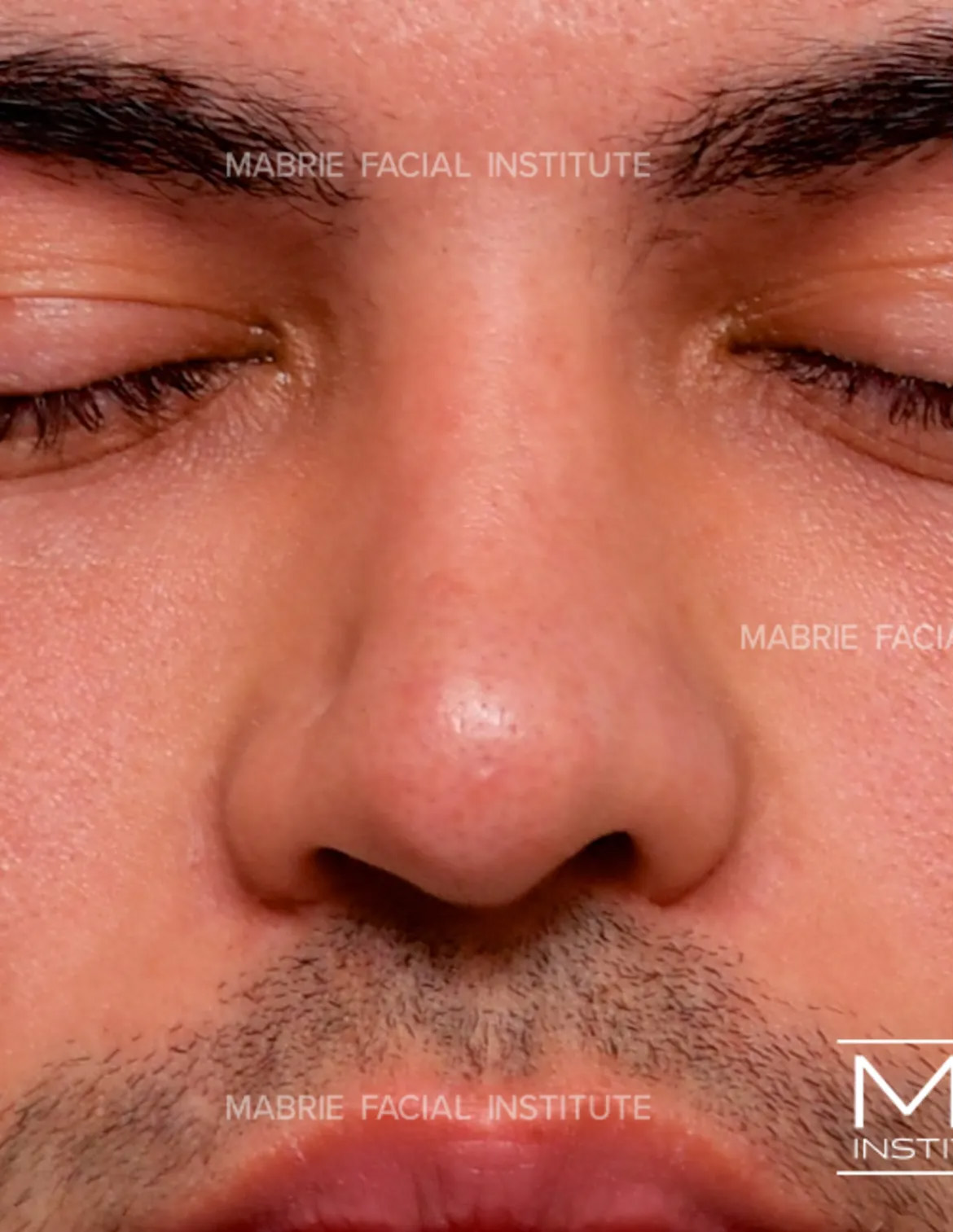
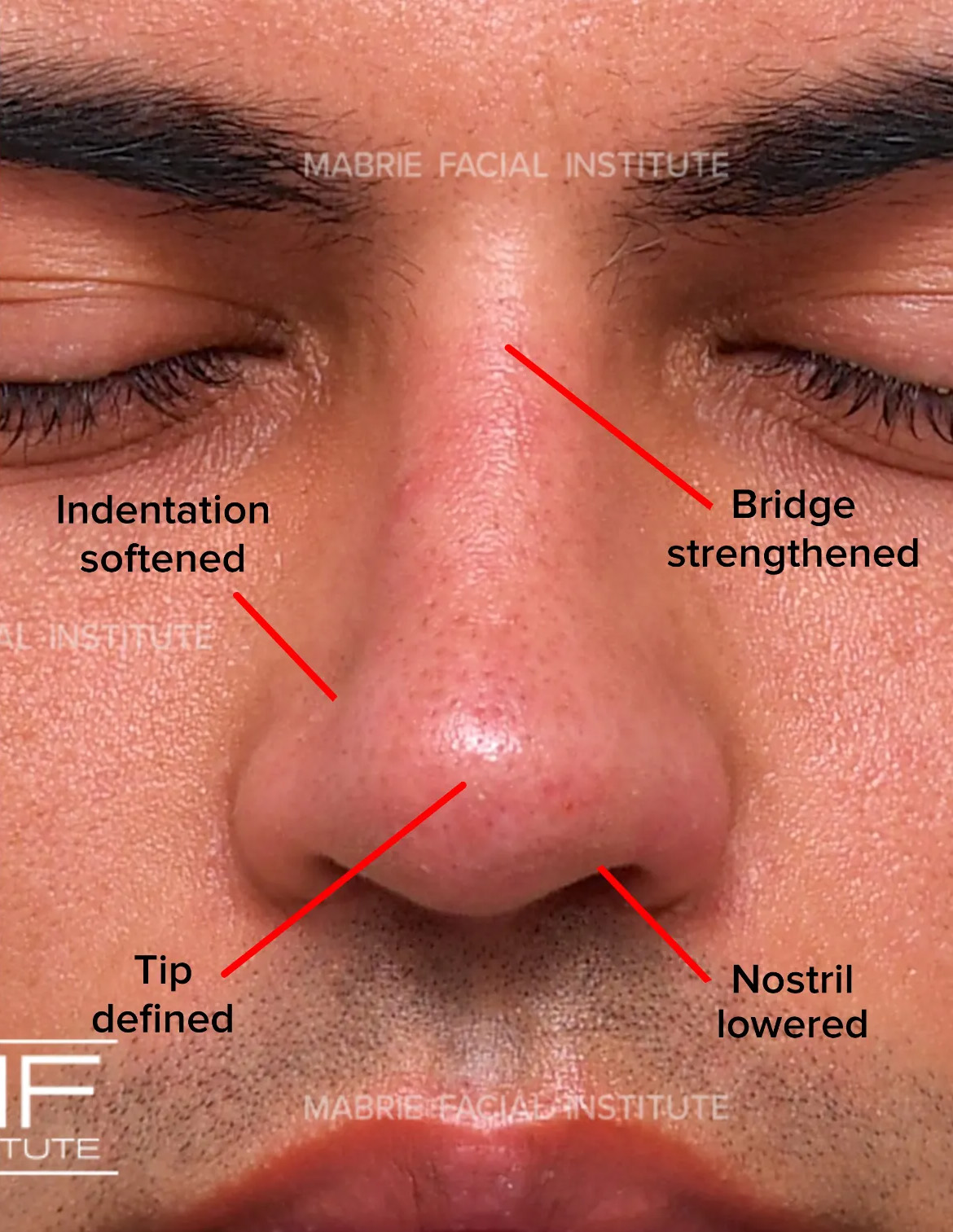
This gentleman’s nose is a great example of small refinements making a big difference. Dr. Mabrie used filler to strengthen the bridge, soften an indentation, define the nasal tip, and lower the nostrils.
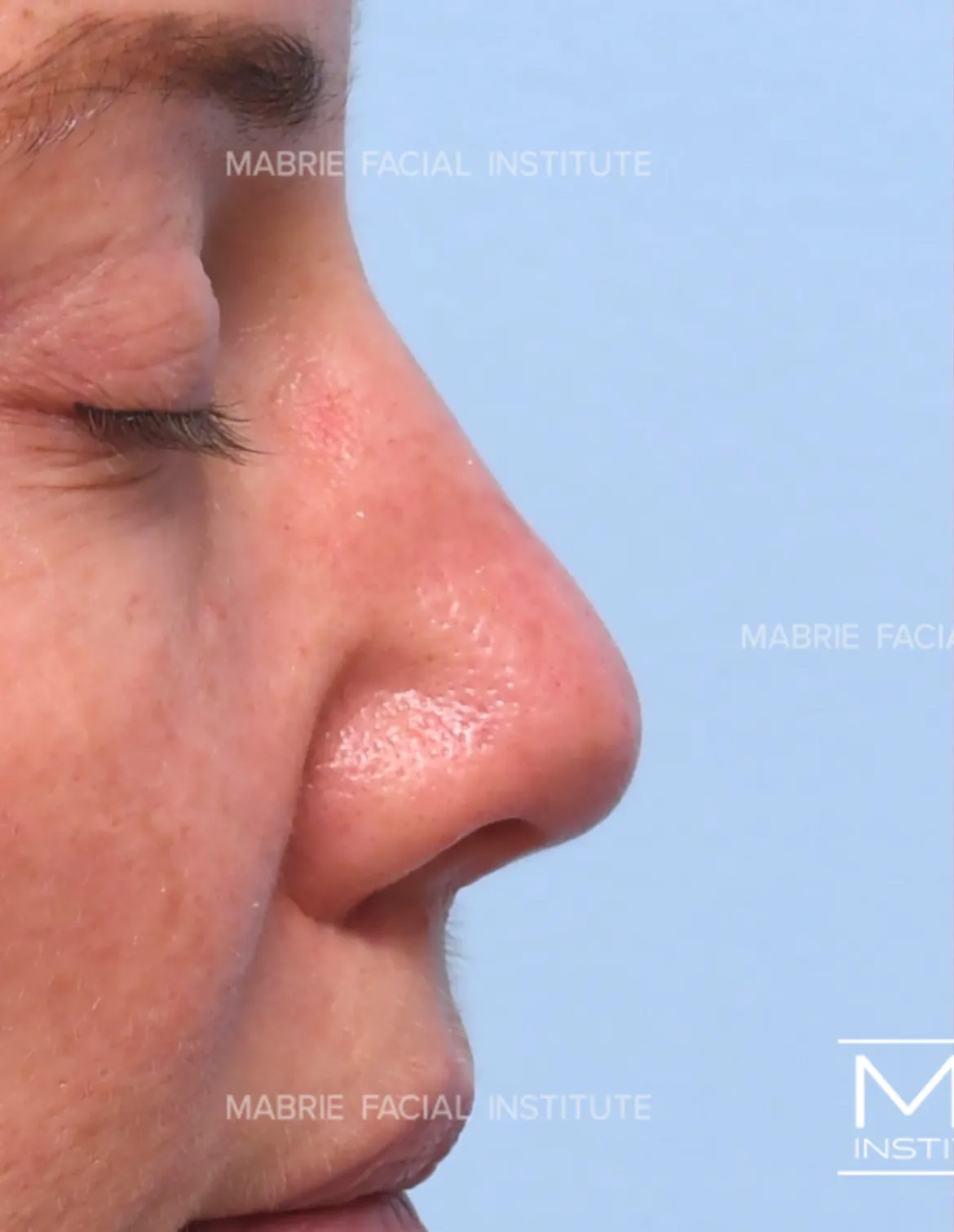
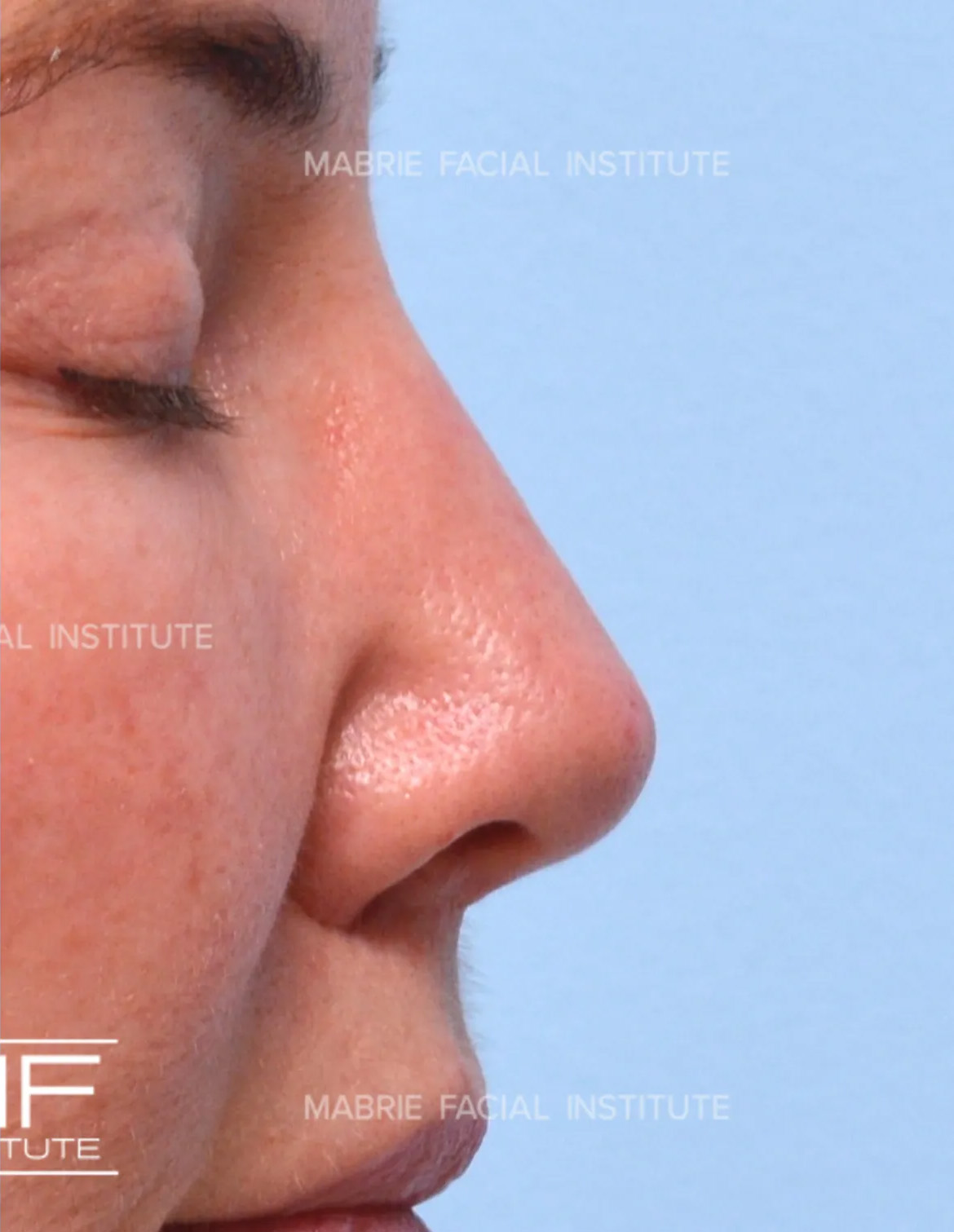
We applied filler to the tip of this woman’s nose to rotate it slightly upward and visually reduce the nostrils.
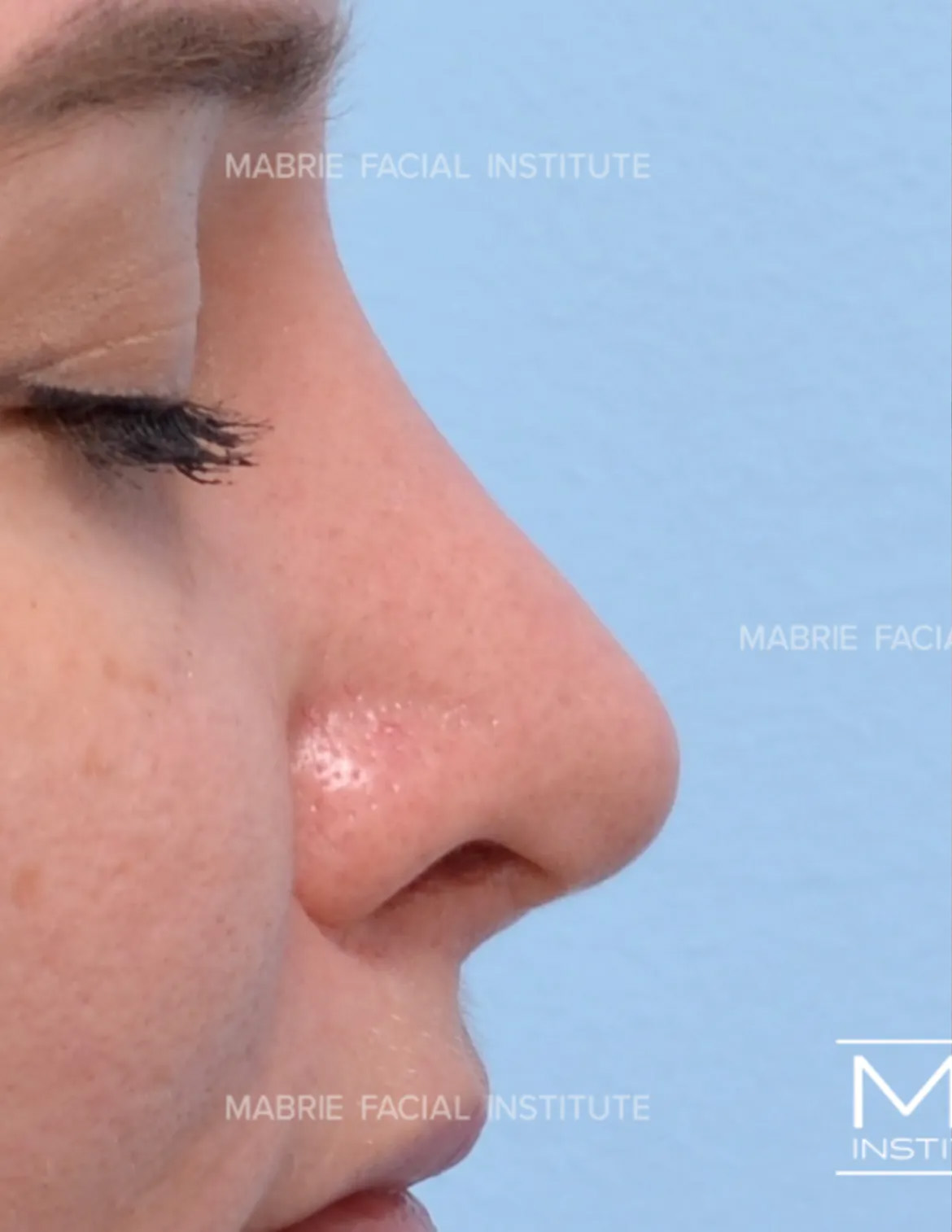
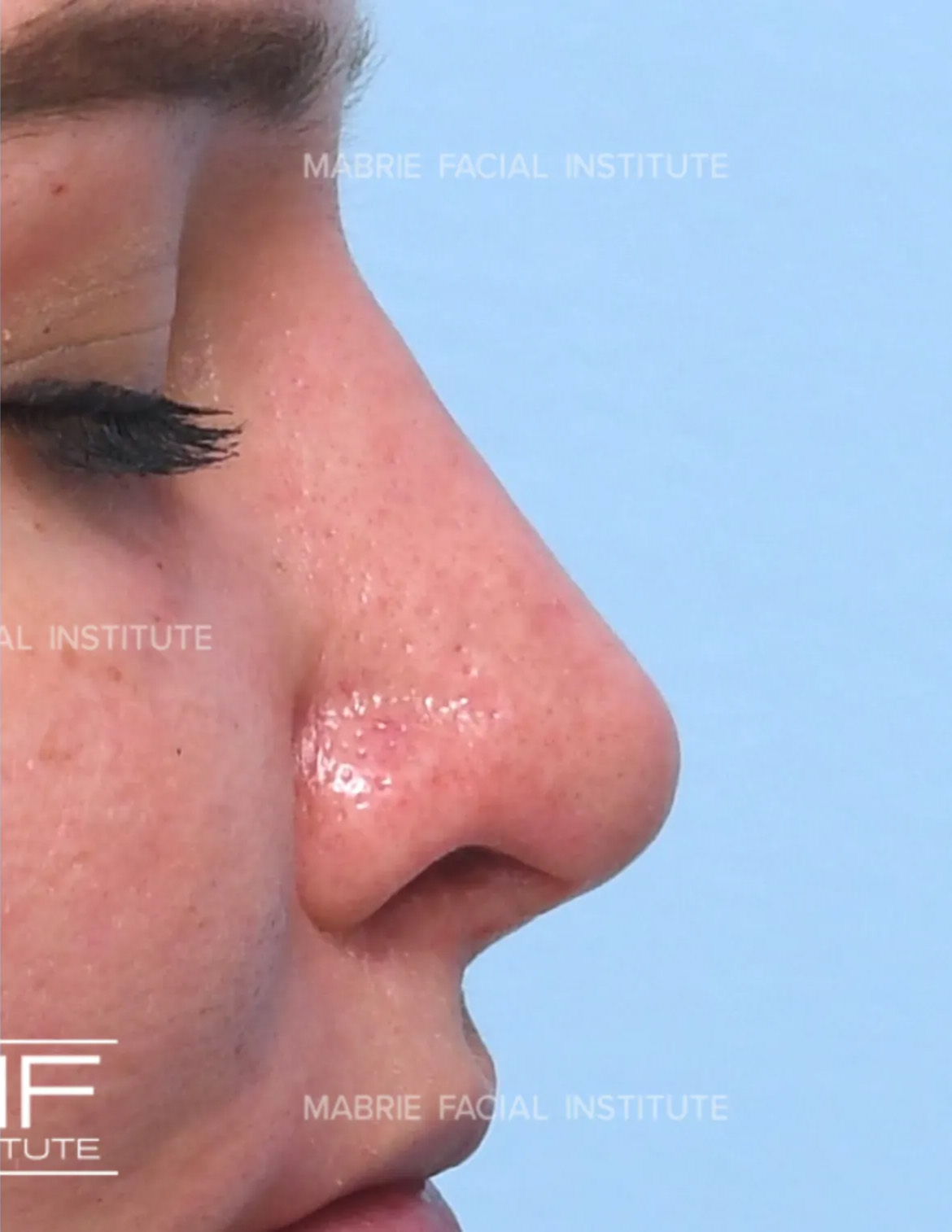
In addition to strengthening this woman’s bridge and defining her nasal tip, Dr. Mabrie used filler to lower the rim of the nostril and build up the columella.
Prior nasal surgery can sometimes leave behind irregularities, asymmetries, or areas of volume loss.
At Mabrie Facial Institute, we specialize in using precision filler techniques to refine post-surgical results, improving nasal contour, restoring balance, and enhancing symmetry without additional surgery.
Depending on each patient’s anatomy and prior surgical history, filler can be used to:
We approach post-surgical correction with the same Architectural Contouring™ philosophy we apply to primary cases — treating the nose as a three-dimensional structure that interacts with light, proportion, and surrounding features.
While not all post-surgical concerns can be fully corrected with filler alone, strategic enhancement can often achieve meaningful, natural-looking improvements in profile and frontal view harmony. We perform non surgical nose job after rhinoplasty surgery using fillers to restore symmetry and a natural, attractive shape.

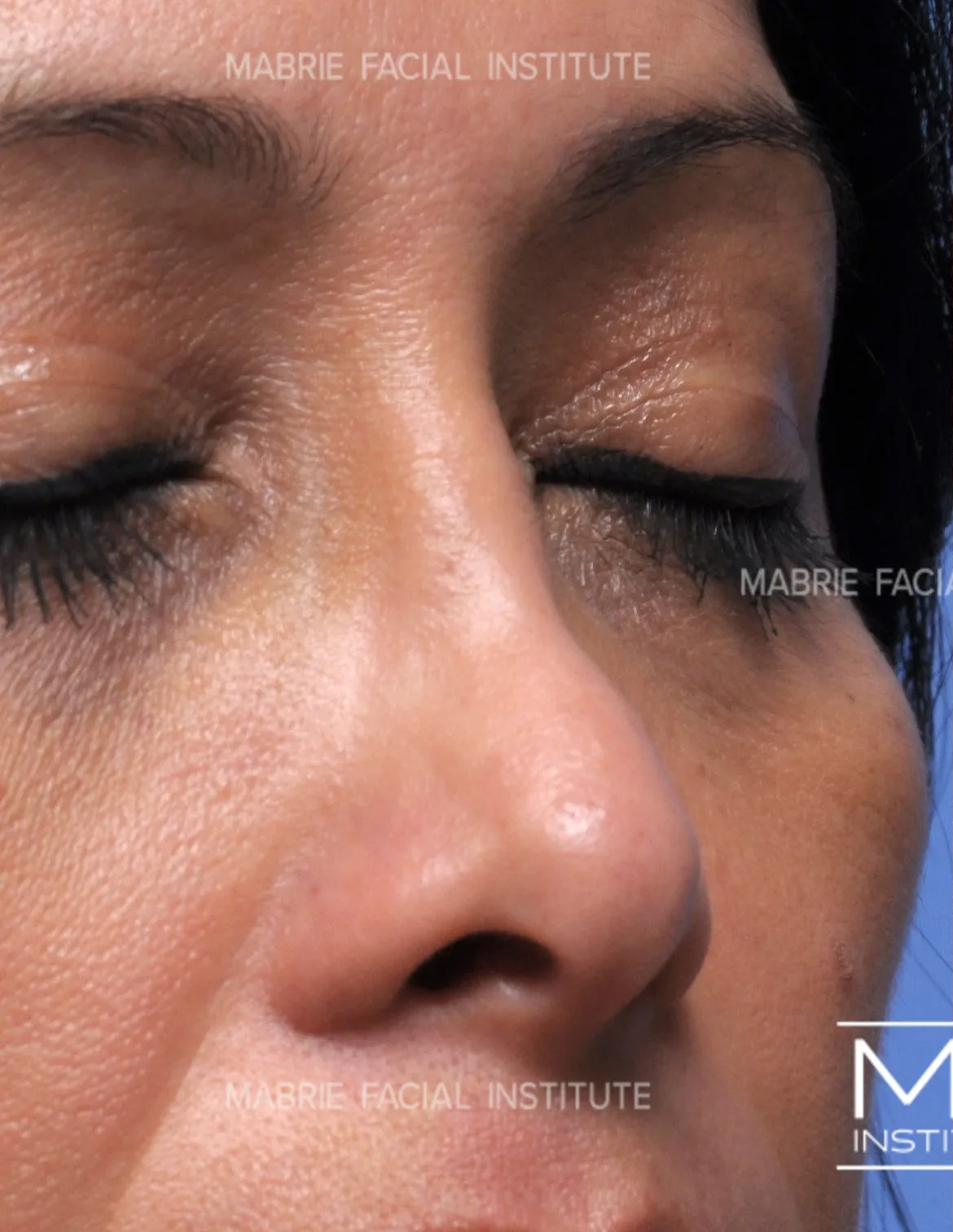
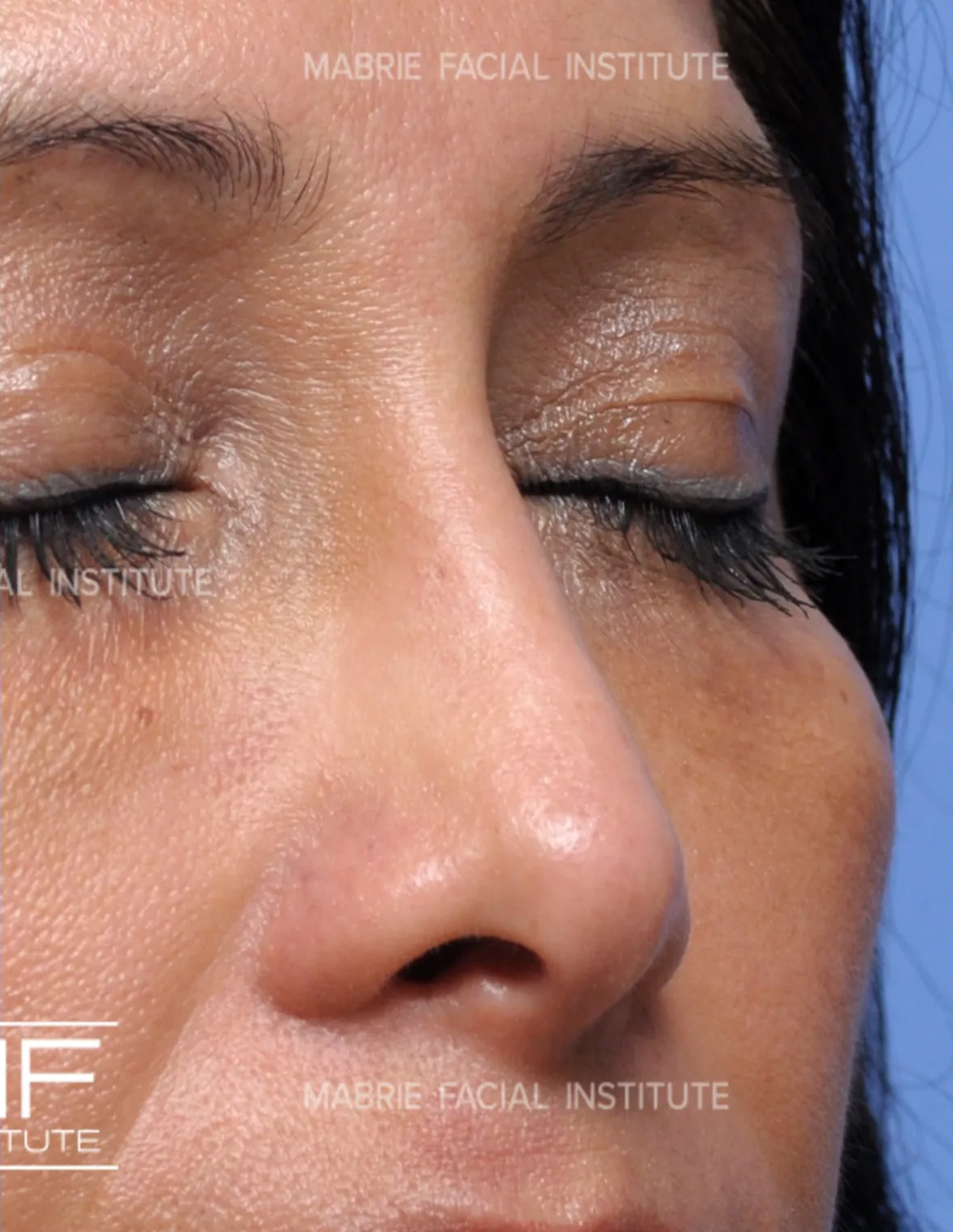
A hump reduction rhinoplasty surgery caused the middle cartilaginous portion of this woman's nose to collapse, making the tip look round and pronounced. With filler, we created the defined and consistent shape she wanted.
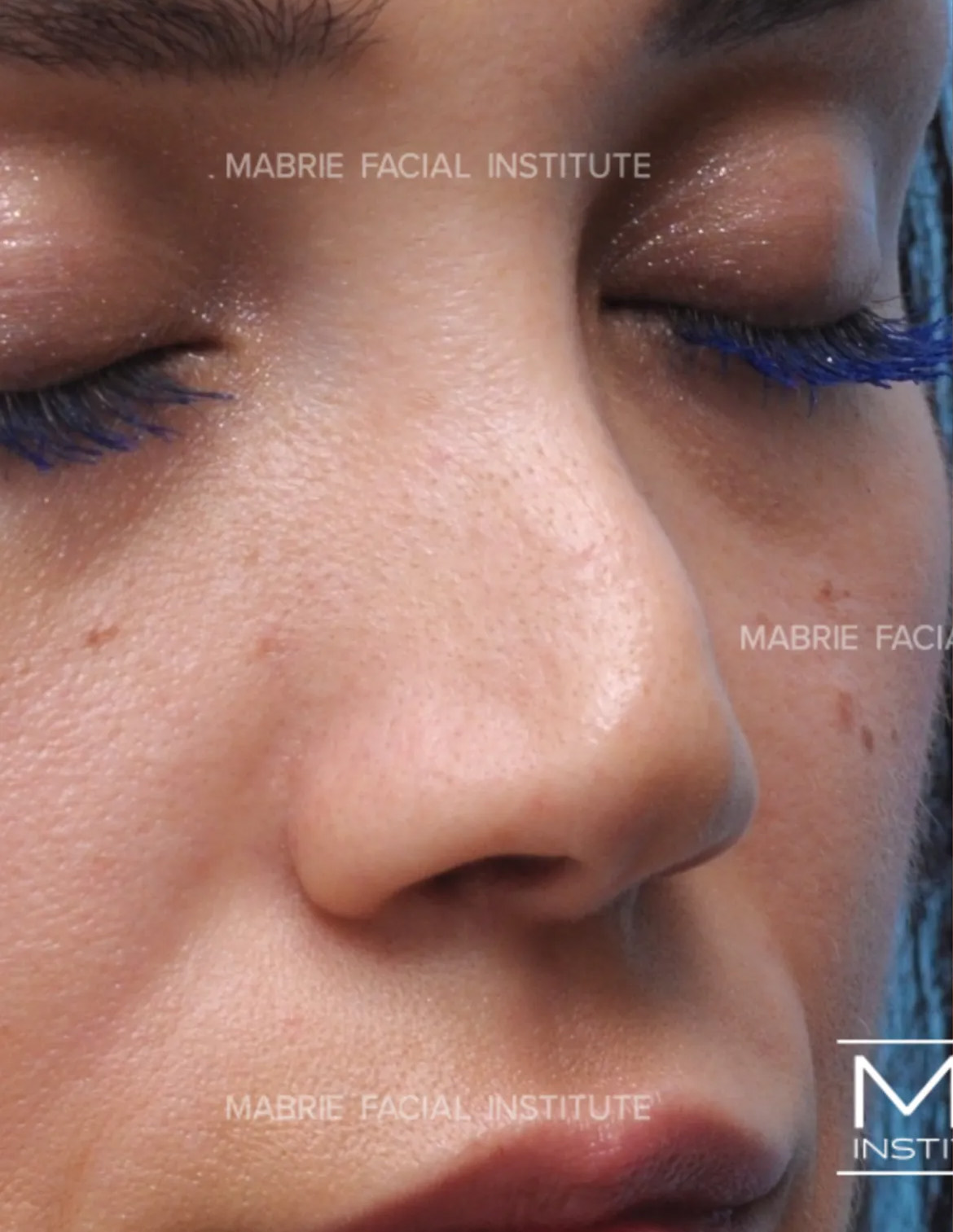
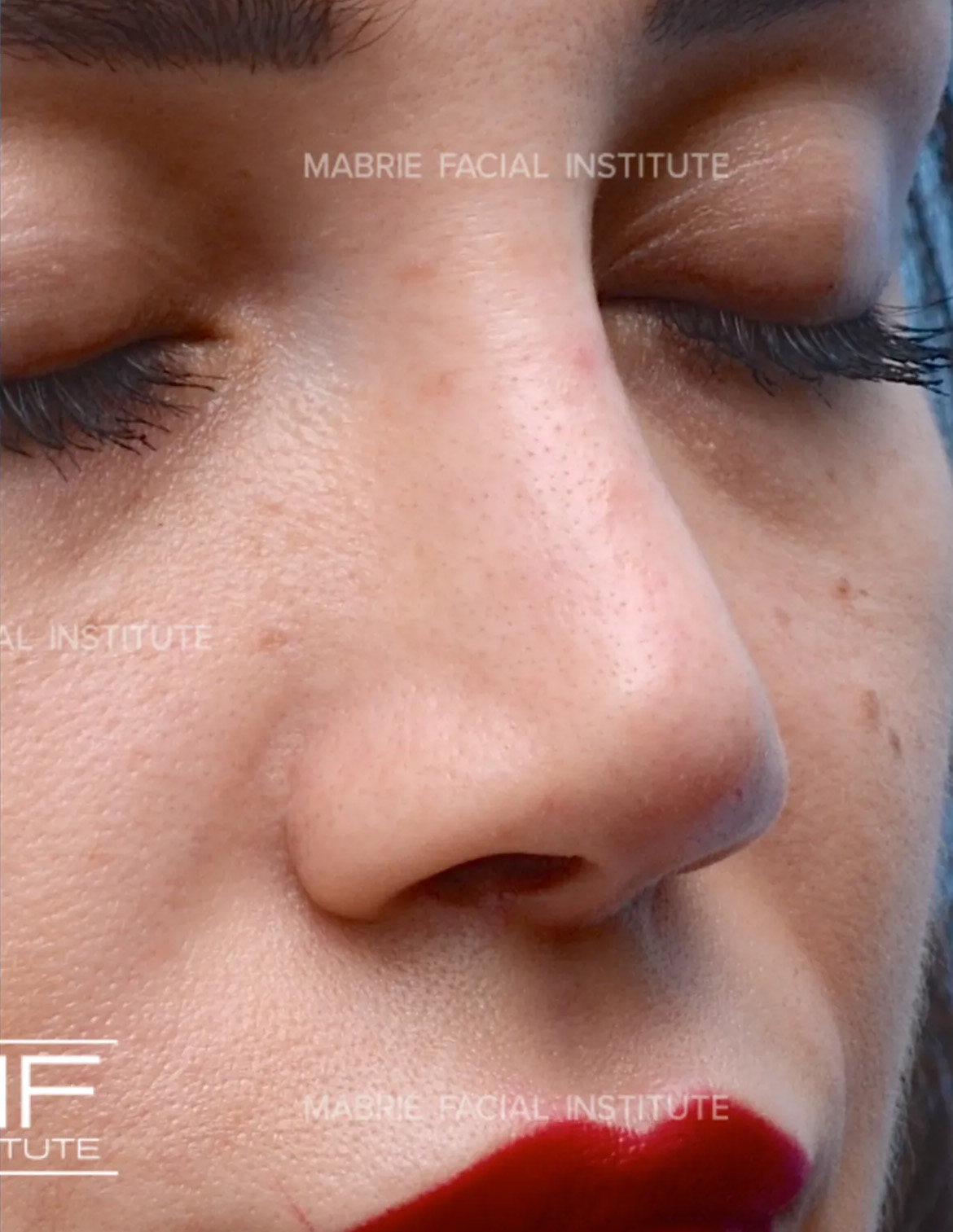
After previous rhinoplasties left this woman with concavities and a blunted tip, we used Restylane to restore structure to her nasal bridge and give her more definition in the nasal tip.
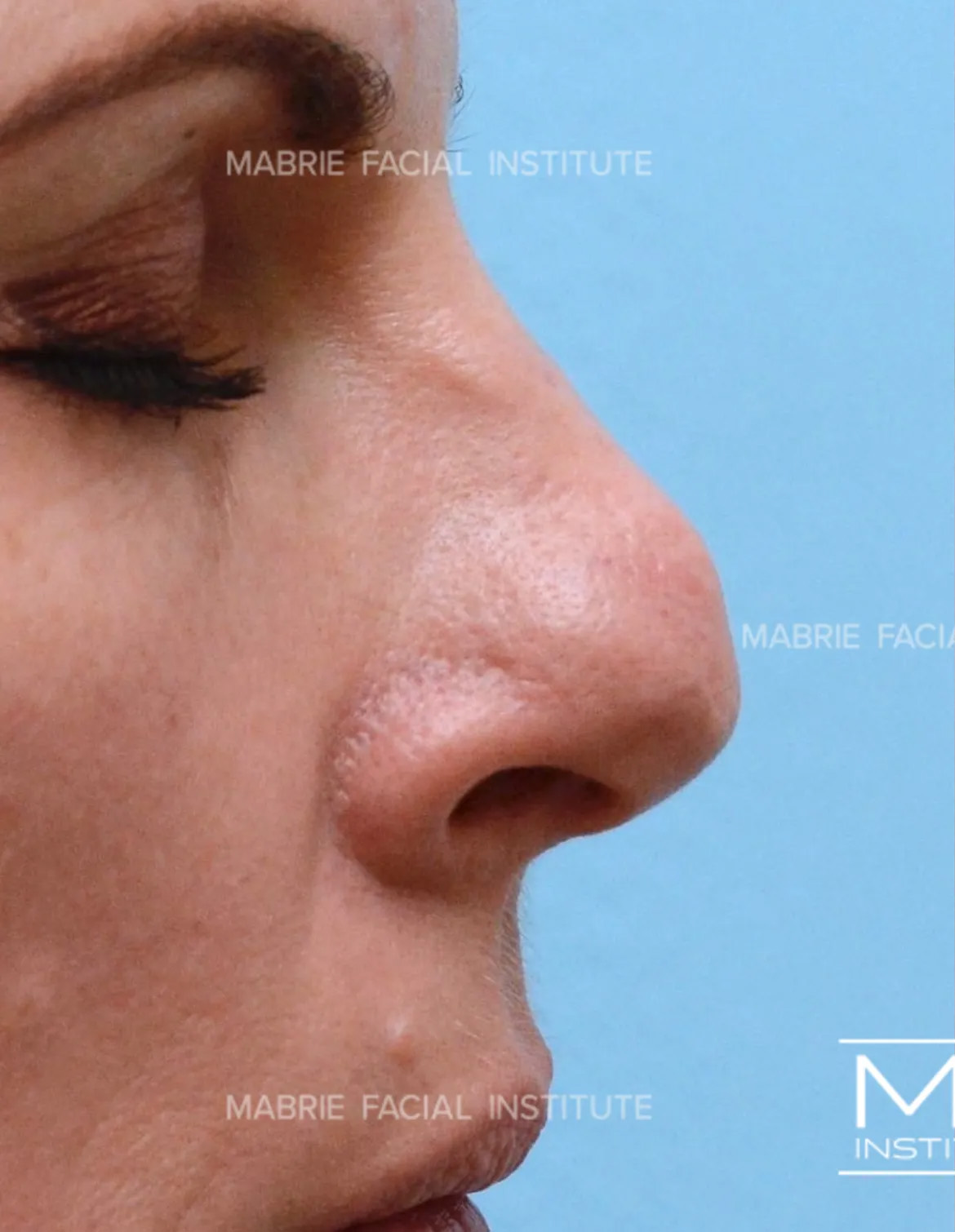
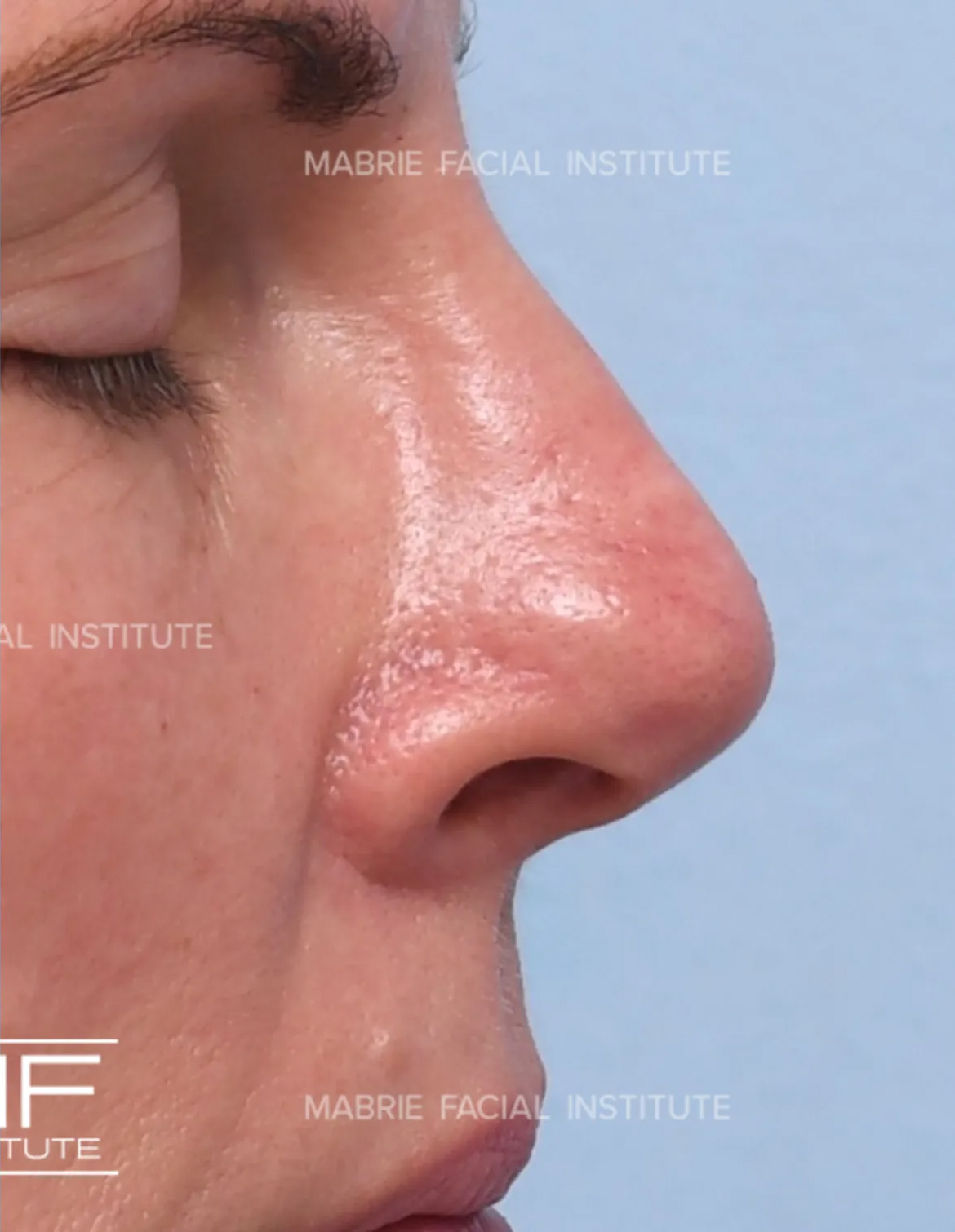
A previous rhinoplasty left this woman’s nose appearing flattened or “pushed in.” Dr. Mabrie used Restylane to the bridge and tip to give her nose a longer, more natural appearance.
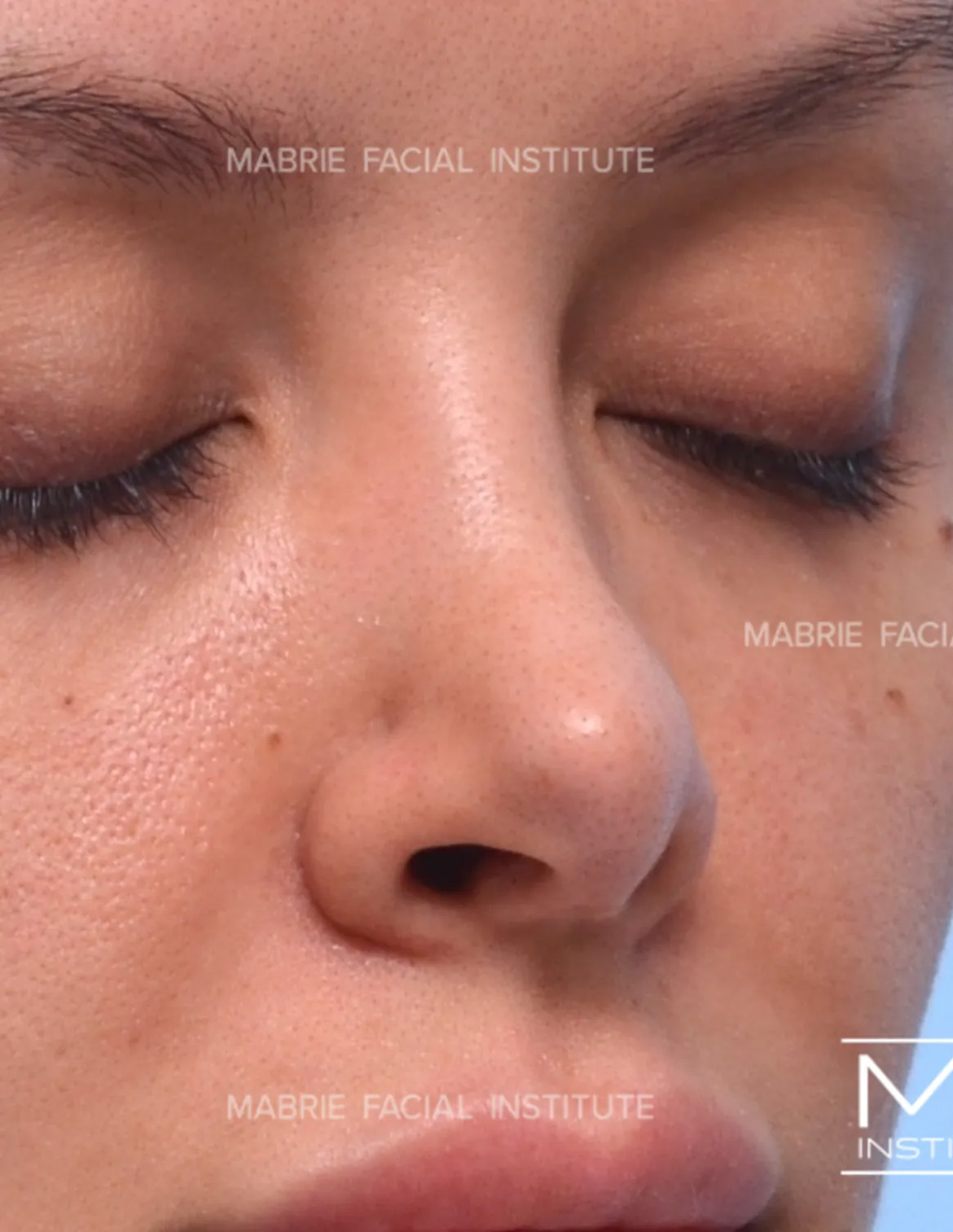
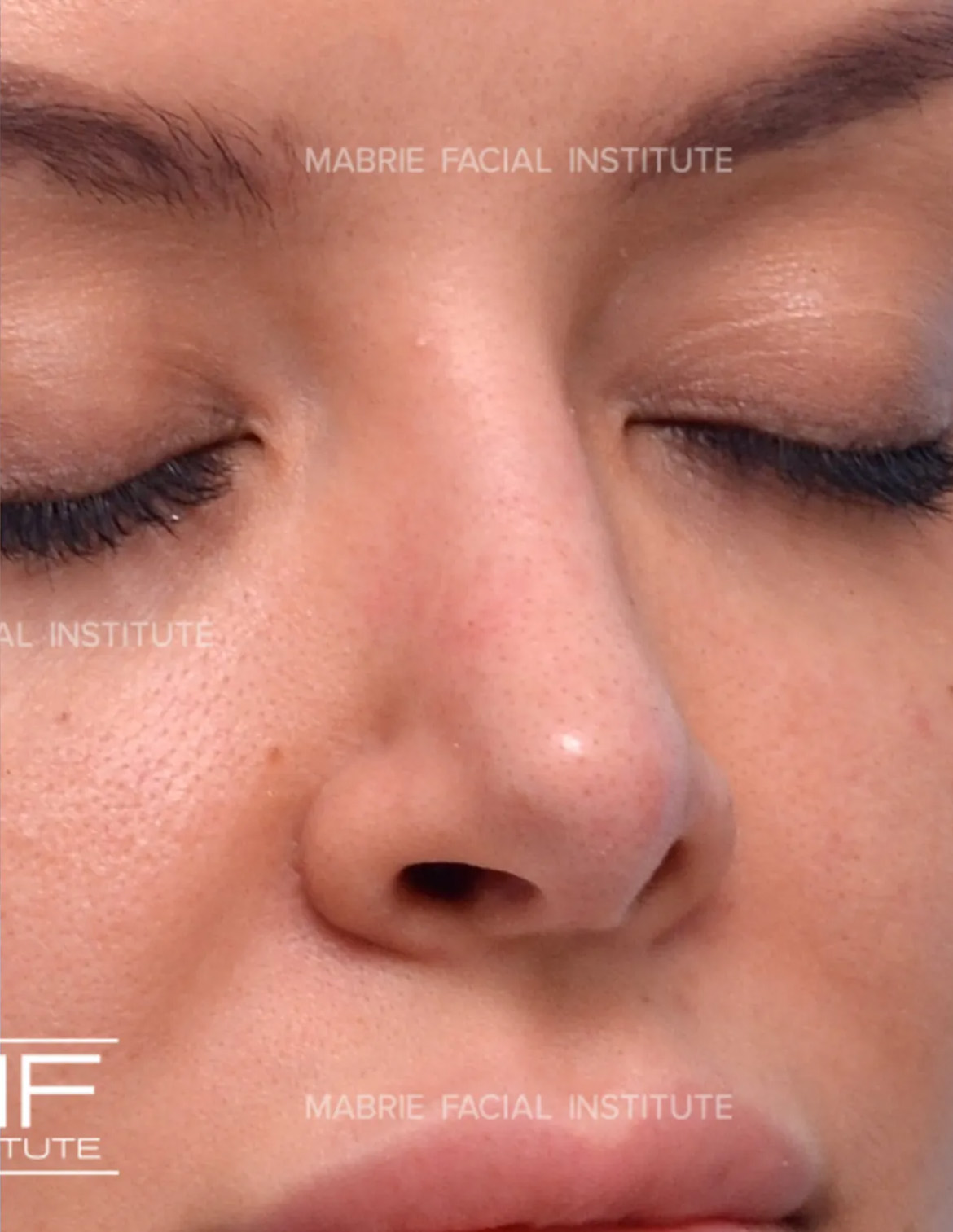
This young woman had nasal asymmetry resulting from a previous rhinoplasty. Her nose “leaned” to one side and her profile views were noticeably different. Dr. Mabrie used filler over 3 appointments to restore balance, structure, and support.
For clients seeking the next level in non-surgical facial rejuvenation, the i360 Full Face treatment integrates non-surgical rhinoplasty into a comprehensive enhancement strategy. By refining the nose in harmony with complementary treatments across the face, this approach improves facial proportions, enhances light reflection, and creates balance from every angle—ideal for those desiring full-face architectural contouring with naturally refined results.
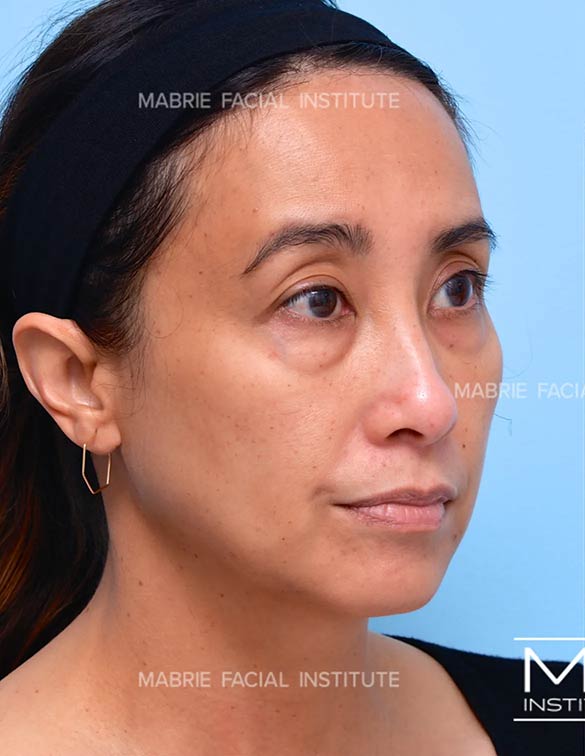
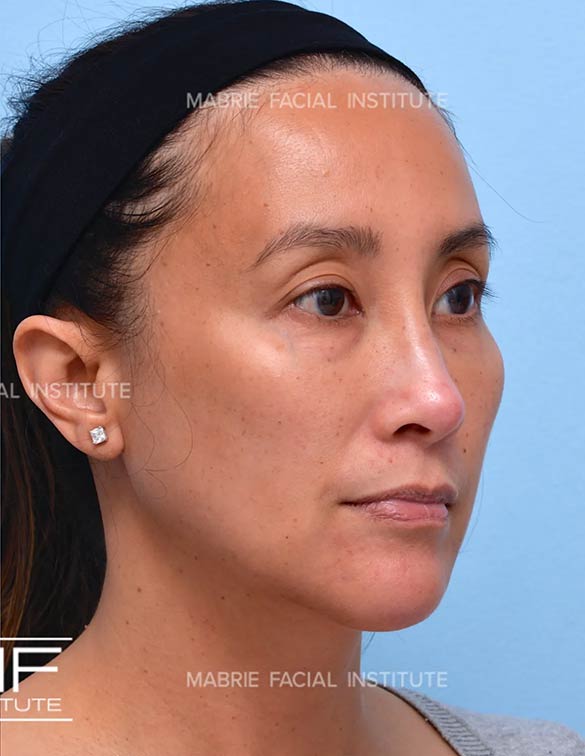
A refined nasal bridge was the centerpiece of her i360 Full Face transformation, which also brightened the under eyes, softened smile lines, and enhanced jawline definition. Upper-face BOTOX® added symmetry and balance for a refreshed, natural look.
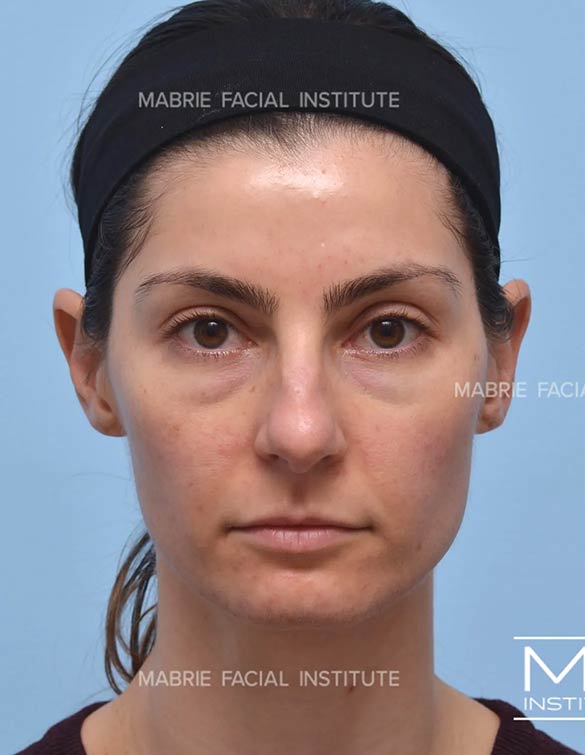
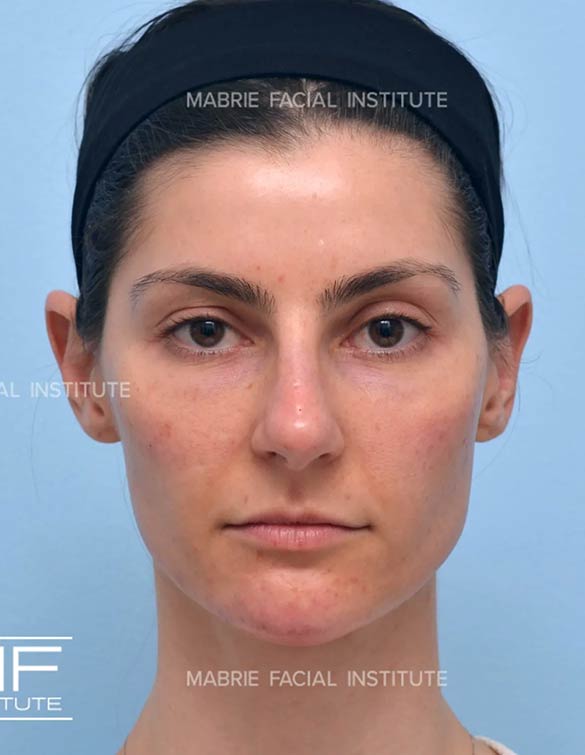
Smoothing and reshaping the nose profile with non surgical rhinoplasty set the tone for a balanced look. Combined with under-eye filler, chin enhancement, and forehead BOTOX®, her i360 Full Face plan brought harmony and an effortlessly rested appearance.
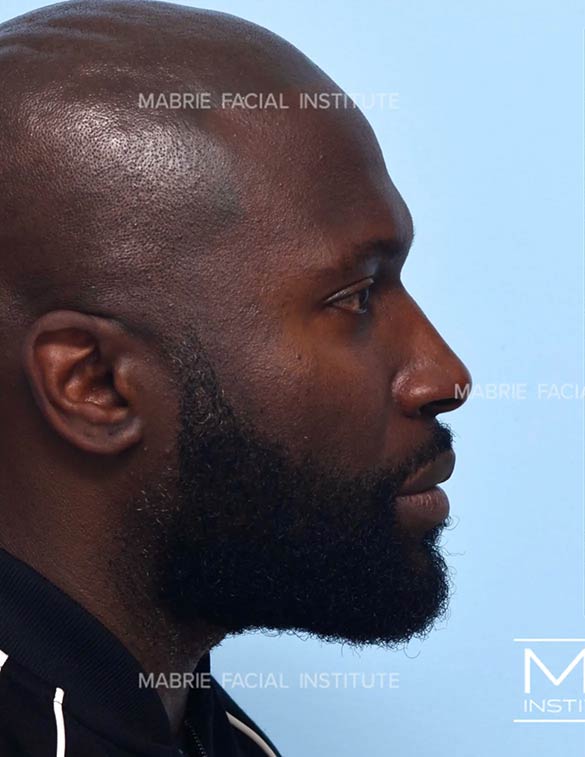
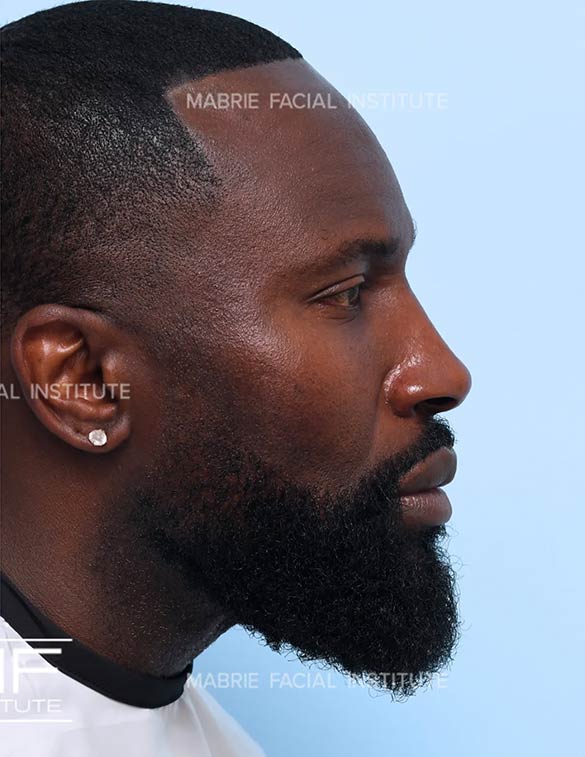
This sculpted result began with non surgical rhinoplasty to lift the nasal tip and enhance bridge projection. Integrated with contouring to the forehead, cheeks, under eyes, and lips, the outcome is a confident, chiseled profile.
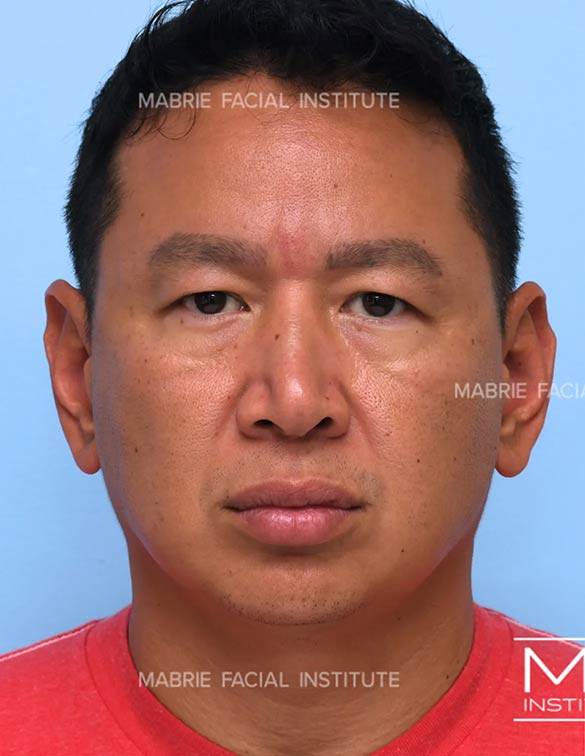
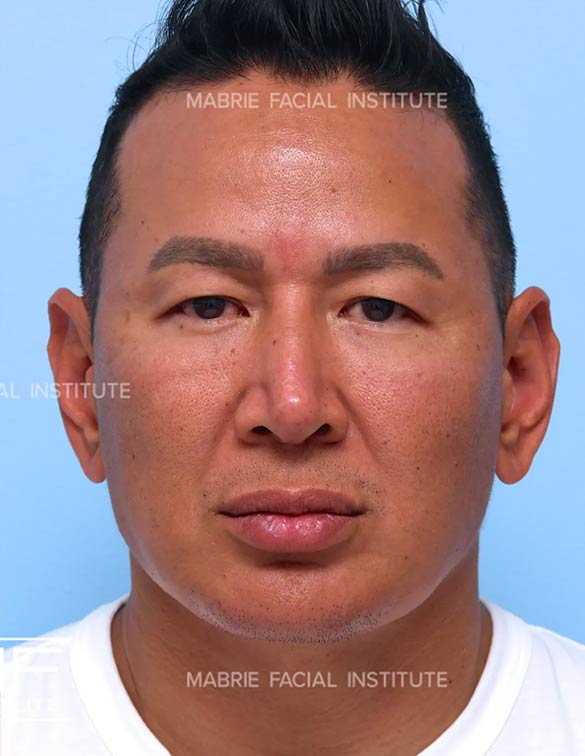
Bridge straightening and tip refinement, paired with contouring of the cheekbones, jawline, and under eyes, created a stronger, more athletic, and masculine appearance.
The price for non surgical rhinoplasty with Dr. Mabrie includes all appointments and the filler needed to get your ultimate initial results. Please visit our dedicated pricing page for the most current information.
Once your nose is just right, you move into the maintenance phase of treatment. From this point on, we only need to see you once every 12 to 18 months, and touch-ups typically only require a fraction of the original volume of filler.
Qualified borrowers may be eligible for 0% financing for 6 to 12 months through CareCredit and Alphaeon medical financing.
At Mabrie Facial Institute, non-surgical rhinoplasty isn't just about adding filler — it's about sculpting structure and shaping light.
Through our signature Architectural Contouring™ approach, we create refined nasal structures that complement each patient's natural beauty — enhancing proportion, symmetry, and flow across the face.
A nose that looks sculpted, refined, and beautifully your own — enhanced by expert design, not altered by chance.
The appearance of the nose, like the rest of the face, is determined by the form and structure beneath the skin. The external nose consists of two nasal bones, cartilage, and skin, and how these are shaped can be the result of several factors.
Genetics – The nose you were born with is the result of genetics. The size, shape, and other characteristics of your nose are influenced by what part of the world your ancestors are from and which genes you inherited.
Trauma – If your nose has been fractured, it may have healed improperly, causing a crooked or slanted bridge or even bumps or indentations.
Aging – The tissues that form the tip of the nose can become bulbous, undefined, or droopy with age.
Surgery – Nose surgery can weaken the nasal bones or cartilage, resulting in indentations or other irregularities.
At MFI, we believe non surgical rhinoplasty from the outset, for many patients, can produce even better results than surgery, which is why we are so passionate about the procedure. The data shows that the patient experience and satisfaction are much higher with non surgical rhinoplasty vs. surgical for several reasons:
While only surgery can revise the bone and cartilage, injectable fillers can sculpt nasal contours for truly customized results.
Back to Top
Your non surgical rhinoplasty follows a thorough consultation with Dr. Mabrie at our fun and stylish San Francisco office. He evaluates both the three-dimensional shape of the nose and its relation to the rest of the face.
You’ll have a candid conversation to get clear on your aesthetic goals and expectations and go over safety concerns. Then we take professional-level photographs of your nose from all angles, using them at every visit to identify your concerns and monitor your progress. Based on both the photos and the in-person examination, we map out a customized treatment plan which may include:
Please plan to spend about 2 to 3 hours in the office for your first visit, which includes consultation, prep, treatment, pre- and post-treatment photography, aftercare education, and scheduling your next appointment.
Getting the best from your nose filler procedure requires a minimum of two appointments. This staged approach allows us to first create structure and support. The filler is injected using a blunt-tipped microcannula or a microneedle for improved comfort and increased safety. Dr. Mabrie injects at a precise anatomic depth where there are fewer arteries and uses a low-pressure injection technique. Then in about 4 to 6 weeks, once the swelling has subsided, we make subtle refinements until you have exactly the look you want.
For more information about your treatment, visit Your Treatment Timeline.
Back to Top
For the best filler experience, follow these tips in advance of your appointment:
You may experience swelling, bruising, tenderness, and redness immediately after treatment. These are normal side effects and are most apparent 24 to 48 hours after treatment. They can last up to 2 weeks but typically subside within 2 to 5 days. Most patients return to their routine activities the same day.
Because we know you have questions about your recovery process, we created an entire page dedicated to BOTOX and dermal filler aftercare.
As with any facial dermal filler injection, there is some risk of vascular occlusion (when an artery or vein is blocked by filler). There is also a very small (1-500,000) risk of blindness. The risks are higher in the nasal area, making it all the more important that you choose a provider who specializes in nose fillers. The injector must be very familiar with the nasal anatomy and, in particular, the vascular anatomy.
At Mabrie Facial Institute, we have the knowledge and experience needed to minimize risk, as well as recognize signs of complications and effectively treat them. We use a blunt-tipped microcannula, avoid high-risk vascular areas, and have the products and the training to dissolve the filler immediately if there are any signs of vascular occlusion.
Although very rare, there is a risk of injury to the skin, especially those who are concerned with refining the nasal tip. After treatment, it is important to watch for signs of vascular compromise, paleness of the skin, increasing pain, or redness.
Back to TopIn addition to being reversible, dermal fillers are versatile, so Dr. Mabrie can achieve delicate, very specific improvements that look natural. This type of precision may not be possible with nose surgery. Results are visible very soon after the procedure (if not immediately), and you can provide real-time guidance to ensure the results meet your expectations and goals. The quick, comfortable procedure takes only 15 to 30 minutes, whereas surgery can take 4 to 6 hours and requires general anesthesia. There is no downtime with non surgical rhinoplasty, whereas surgery requires an extended recovery, and results take up to a year to materialize. Learn more by reading this blog post.
Nonsurgical rhinoplasty cannot reduce the size of your nose, but it can create changes that give your nose the appearance of being smaller. For example, softening or smoothing the angle of projection makes the nose seem less prominent. Building up the bridge can give a wide nose a slimmer, more angular appearance. Correcting asymmetries and irregularities can bring your nose more into balance with your other features. Learn more about how to make your nose look smaller.
At MFI, Restylane® is the preferred filler for nonsurgical rhinoplasty because of its durability and natural-looking results. Restylane is made from hyaluronic acid, a naturally occurring sugar molecule found in the body, meaning it is safe and biocompatible. Additionally, Restylane is highly malleable, making it easier for your Injector to shape it and create the natural-looking contours. For these reasons, plus its long-lasting results, Restylane is widely regarded as the best filler for a non surgical nose job.
It’s a common misconception that individuals who have had nose surgery should not have fillers placed in the nose. It is true that patients with previous surgical rhinoplasty have an increased risk of vascular occlusion, therefore, they must be evaluated case by case for candidacy. That said, we have treated numerous patients with fillers after surgical rhinoplasty with great success. In fact, in the hands of a very experienced and skilled provider, this can be an excellent alternative to undergoing revision surgery.
Yes! In fact, this is one of the most common concerns we treat with nonsurgical rhinoplasty at MFI. By adding filler along the nasal bridge, we create a straighter and more refined appearance. Filling in the bridge helps create the illusion of a narrower nose, especially if there are irregularities or depressions that make the nose appear broader. This technique minimizes the appearance of width while adding a sense of structure.
For some patients, enhancing the nasal tip with filler can make the overall nose look more defined and balanced. By lifting or shaping the tip slightly, we can draw attention away from the width, subtly reshaping the nose to appear narrower.
One of the greatest benefits of non surgical rhinoplasty is that the procedure is reversible in most cases. If a patient is unsatisfied for any reason, a special enzyme-based product called Hylenex® can be injected into the treatment area within the first 24 hours. This immediately dissolves hyaluronic acid fillers such as Restylane, JUVÉDERM®, and Restylane® Lyft. RADIESSE® is not a hyaluronic acid and cannot be reversed. Ultimately, the effects of dermal fillers are temporary as they are naturally reabsorbed by the body over the course of a few months.
If you are interested in learning more about non surgical nose job with filler, request a consultation online, or call us at (415) 445-9513 to schedule your appointment with Dr. Mabrie. If you’ll be visiting us from outside the area, our Fly in for Your Procedure page was created just for you to help make planning your trip as smooth as possible.
Reviewed for clinical accuracy by Dr. David Mabrie on April 10th, 2026.
February 1, 2024
While non surgical rhinoplasty is popular all around the world, few providers have more experience with…
Read PostOctober 26, 2023
Hey guys, here’s a topic that probably won’t be discussed at your next poker game or…
Read PostOctober 26, 2023
In my professional opinion, yes. I specialize in non surgical rhinoplasty using nose filler in my…
Read Post